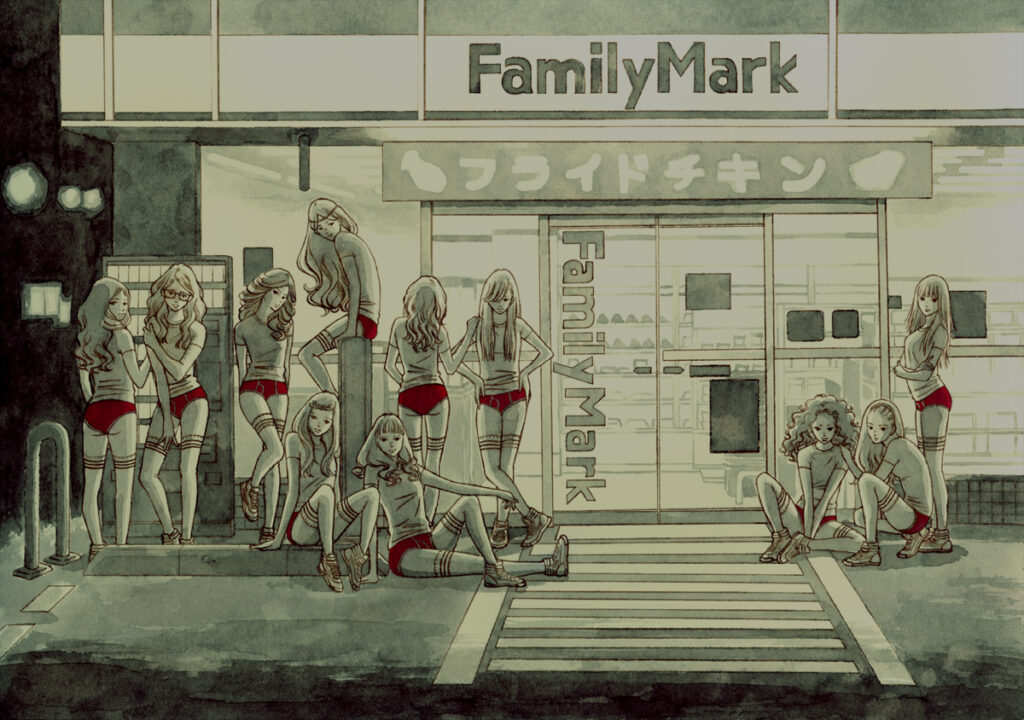

The digital comic industry has experienced a significant transformation in recent years, and at the forefront of this evolution are webtoons. Originating in South Korea, webtoons have captured the hearts of millions globally, thanks to their unique storytelling, vibrant artwork, and accessibility. Unlike traditional comic formats, webtoons are designed for easy consumption on digital platforms, typically formatted for scrolling rather than page turning. This article delves deeper into the world of webtoons, examining their origins, popular genres, and the factors contributing to their widespread appeal.
Understanding the Origins of Webtoons
The concept of webtoons emerged in South Korea in the early 2000s, with companies like Naver leading the charge. The term “webtoon” itself is a combination of “web” and “cartoon.” These comics are often serialized, with episodes released weekly or bi-weekly, making them highly engaging for readers who anticipate new content. This format caters well to the digital landscape, allowing creators to connect with their audience directly, often bypassing traditional publishing routes.
Popular Genres and Themes in Webtoons
Webtoons span a myriad of genres, providing something for everyone. The romance genre is particularly prevalent, with titles like “Let’s Play” and “Lore Olympus” gaining massive followings. Fantasy and action-oriented webtoons, such as “Tower of God,” also enjoy popularity, often featuring intricate world-building and compelling character development. Furthermore, webtoons frequently explore themes of identity, mental health, and relationships, reflecting the diverse experiences of their readers and resonating on a personal level.
The Unique Format and Reading Experience
One of the defining characteristics of webtoons is their vertical scrolling format, which allows for dynamic storytelling. This format enables creators to utilize pacing and visual elements in innovative ways. For instance, they can employ cliffhangers effectively at the end of each episode to keep readers hooked. Additionally, the use of color is a hallmark of many webtoons, enhancing the visual experience compared to traditional black-and-white comics. This vibrant art style, combined with compelling narratives, fundamentally alters how stories are presented and consumed.
Challenges Facing Webtoon Creators
Despite their popularity, webtoon creators often face significant challenges. The market is highly competitive, with numerous artists vying for reader attention. Monetization can also be difficult; while platforms may offer revenue-sharing models, many creators struggle to translate their passion into a sustainable income. Additionally, the pressure to produce content consistently can lead to burnout, impacting the quality of the work. Understanding these challenges is crucial for aspiring webtoon artists and writers.
The Future of Webtoons
As technology continues to advance, the future of webtoons looks promising. With the rise of mobile device usage and the increasing popularity of digital storytelling, webtoons are likely to expand their reach. Additionally, adaptations into other media, such as animations and live-action series, are becoming more common, further solidifying webtoons’ place within global pop culture. The potential for interactive webtoons, where reader choices can affect the narrative, also offers exciting possibilities for the medium.
In summary, webtoons represent a significant shift in how stories are created and consumed. Their unique format, engaging narratives, and accessibility make them a captivating medium for both creators and readers alike. As this genre continues to evolve, it will be fascinating to observe how the webtoon landscape develops in the coming years.
Leave a Reply