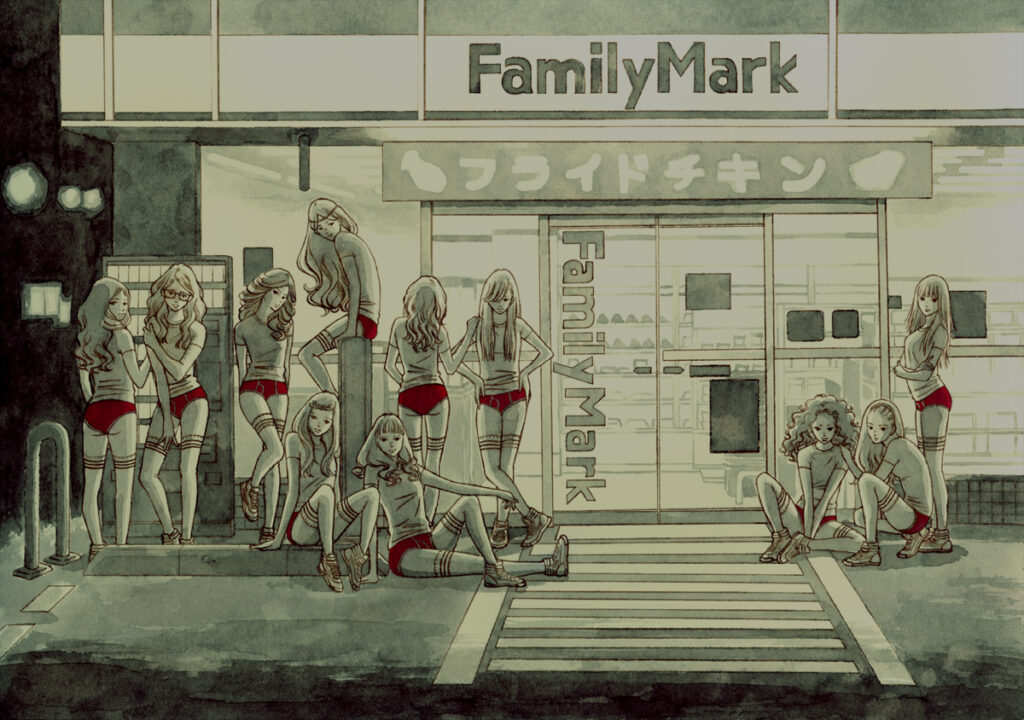

Webtoons have transformed the landscape of digital storytelling, providing a unique platform for creators to share their narratives with a global audience. Originating from South Korea, webtoons are characterized by their vertical scroll format, vibrant art styles, and episodic releases, which cater to modern readers’ preferences for accessible and engaging content. This article delves into the essential elements of crafting compelling webtoon stories, offering insights that both novice and seasoned creators can leverage.
Understanding the mechanics of this medium is paramount for success. Webtoons are typically released on platforms like LINE Webtoon and Tapas, which allow creators to publish their works chapter by chapter, fostering a sense of anticipation among readers. The interactive nature of these platforms, along with user comments and ratings, has created a dynamic community where storytelling evolves based on audience feedback.
Key Elements of a Successful Webtoon
To produce a successful webtoon, several key elements must be considered. First and foremost, a well-structured plot is essential. The story should have a clear beginning, middle, and end, with plot twists that keep readers engaged. For example, the webtoon “Lore Olympus” highlights how a contemporary retelling of classic myths can captivate audiences through relatable themes and strong character development.
Character Development and Design
Character design plays a vital role in webtoons. Distinctive designs help characters stand out and create an emotional connection with readers. Consider the webtoon “Let’s Play,” where the protagonist’s struggles with anxiety are visually represented through her expressions and interactions. This not only enhances the narrative but also promotes a deeper understanding of the characters’ emotional states.
Visual Storytelling Techniques
Visual storytelling is at the heart of webtoon creation. Artists must master the use of color, panel layout, and pacing to convey moods and emotions. For example, using lighter colors can evoke a sense of joy, while darker tones can create tension or sadness. Additionally, the pacing of panels should complement the dialogue; rapid panel shifts can build excitement, while slower transitions allow for reflection.
Engaging with Your Audience
Another critical aspect is audience engagement. Creators can enhance their webtoon’s reach by interacting with fans through social media, live-streaming drawing sessions, or responding to comments and feedback. This connection can foster a loyal reader base, as seen with popular webtoon creators who share behind-the-scenes content and updates.
Adapting to Trends and Feedback
Lastly, flexibility in storytelling is crucial. The webtoon landscape is ever-evolving, with trends shifting rapidly. Being attuned to these changes and adapting your storyline based on feedback can be the difference between a webtoon that resonates and one that fades away. Successful creators often review analytics from their episodes to adjust story arcs or character developments, ensuring their work remains relevant and engaging.
Leave a Reply