
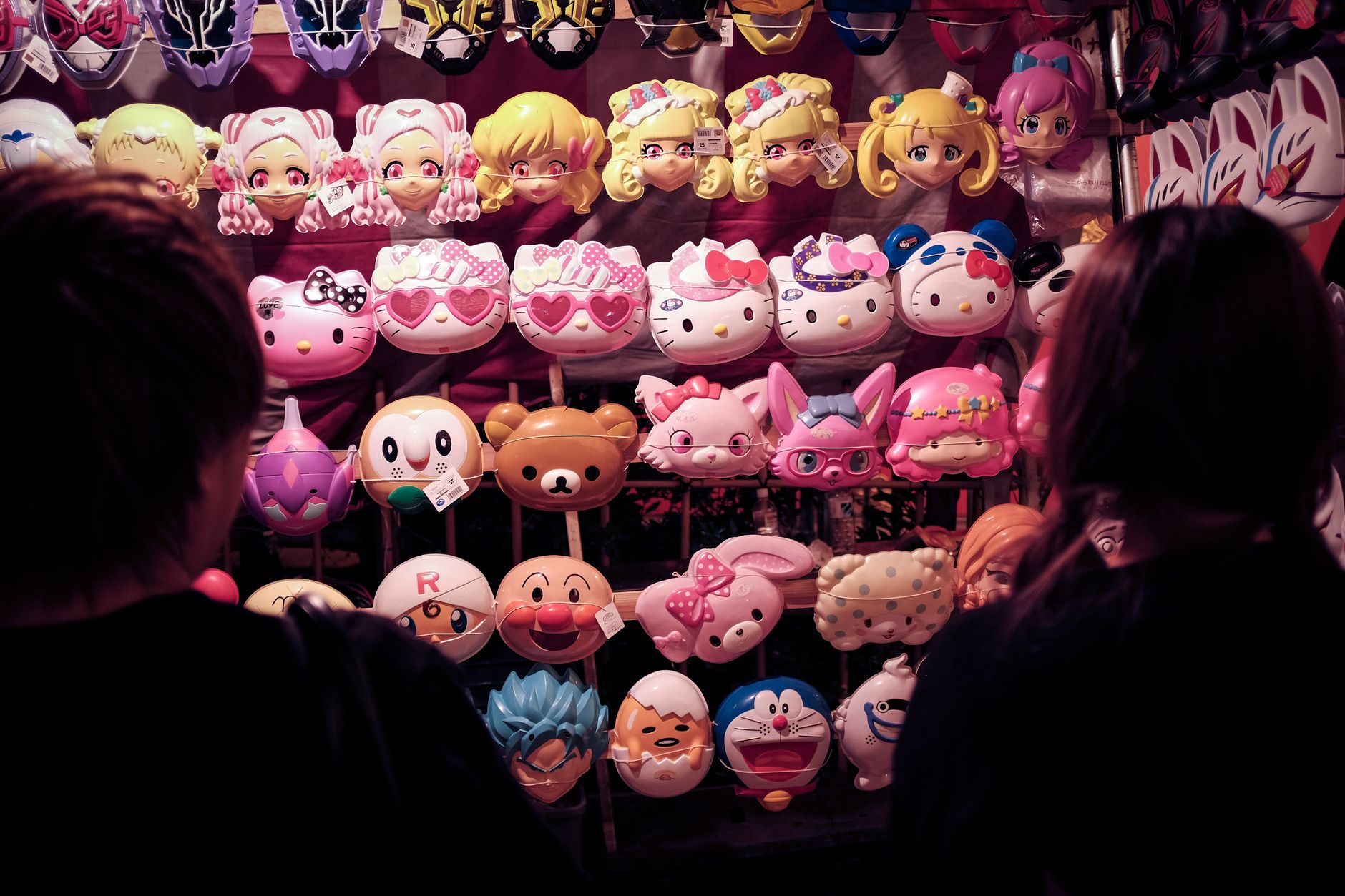
Japanese pop culture has transcended geographic boundaries, capturing the hearts and minds of audiences worldwide. From anime and manga to J-pop and fashion, this vibrant cultural movement reflects Japan’s unique blend of tradition and modernity. Understanding its iconic elements provides valuable insights into its global influence and enduring appeal.
In recent years, the proliferation of digital media has propelled Japanese pop culture into the mainstream, contributing to the rise of international fandoms and communities. This article delves into several key aspects that define this dynamic cultural landscape.
The Rise of Anime and Manga
Anime and manga are undoubtedly at the forefront of Japanese pop culture. With their rich storytelling and diverse genres, they have become a significant cultural export. According to a report by the Japan External Trade Organization, the global anime market was valued at approximately 24 billion USD in 2021, with a projected annual growth rate of 9.1% through 2028.
Popular series such as “Attack on Titan” and “My Hero Academia” have not only topped charts but have also garnered extensive merchandise, solidifying their place in pop culture. The intricate animation styles and compelling narratives often draw on traditional Japanese folklore, allowing international audiences to experience a facet of Japan’s cultural heritage.
J-Pop and Its Cultural Impact
J-Pop, or Japanese pop music, has played a pivotal role in shaping contemporary Japanese culture. Artists like Hikaru Utada and Arashi have enjoyed immense popularity, with their music often reflecting societal themes and personal struggles. Notably, J-Pop’s influence extends beyond Japan, inspiring K-Pop and other global music trends.
The annual Tokyo Girls Collection event showcases the intersection of fashion and music, featuring J-Pop artists and the latest fashion trends. This event illustrates how J-Pop is intertwined with youth culture, influencing everything from hairstyle to clothing styles.
Fashion Trends: Harajuku and Beyond
The Harajuku district in Tokyo stands as a global symbol of Japanese fashion, renowned for its vibrant street style. The culture here is characterized by a mix of styles ranging from Lolita to Gyaru, each with its own subculture and aesthetic. Fashion magazines such as “FRUiTS” have documented these unique styles, showcasing how clothing is often used as a form of self-expression.
Furthermore, Japanese fashion brands like Comme des Garçons and Issey Miyake have achieved international acclaim, blending traditional craftsmanship with avant-garde designs. This unique fusion highlights Japan’s ability to innovate while honoring its cultural roots.
The Global Influence of Video Games
Japanese video games have revolutionized the entertainment industry, with iconic franchises like “Final Fantasy” and “Pokémon” becoming household names. The video game market in Japan was valued at over 14 billion USD in 2020, reflecting its significant impact on global gaming trends.
Moreover, events like the Tokyo Game Show attract audiences from all over the world, showcasing not just new games, but also the cultural narratives that are intertwined with gameplay. This phenomenon illustrates how Japanese gaming culture contributes to a broader understanding of storytelling in interactive media.
Leave a Reply