
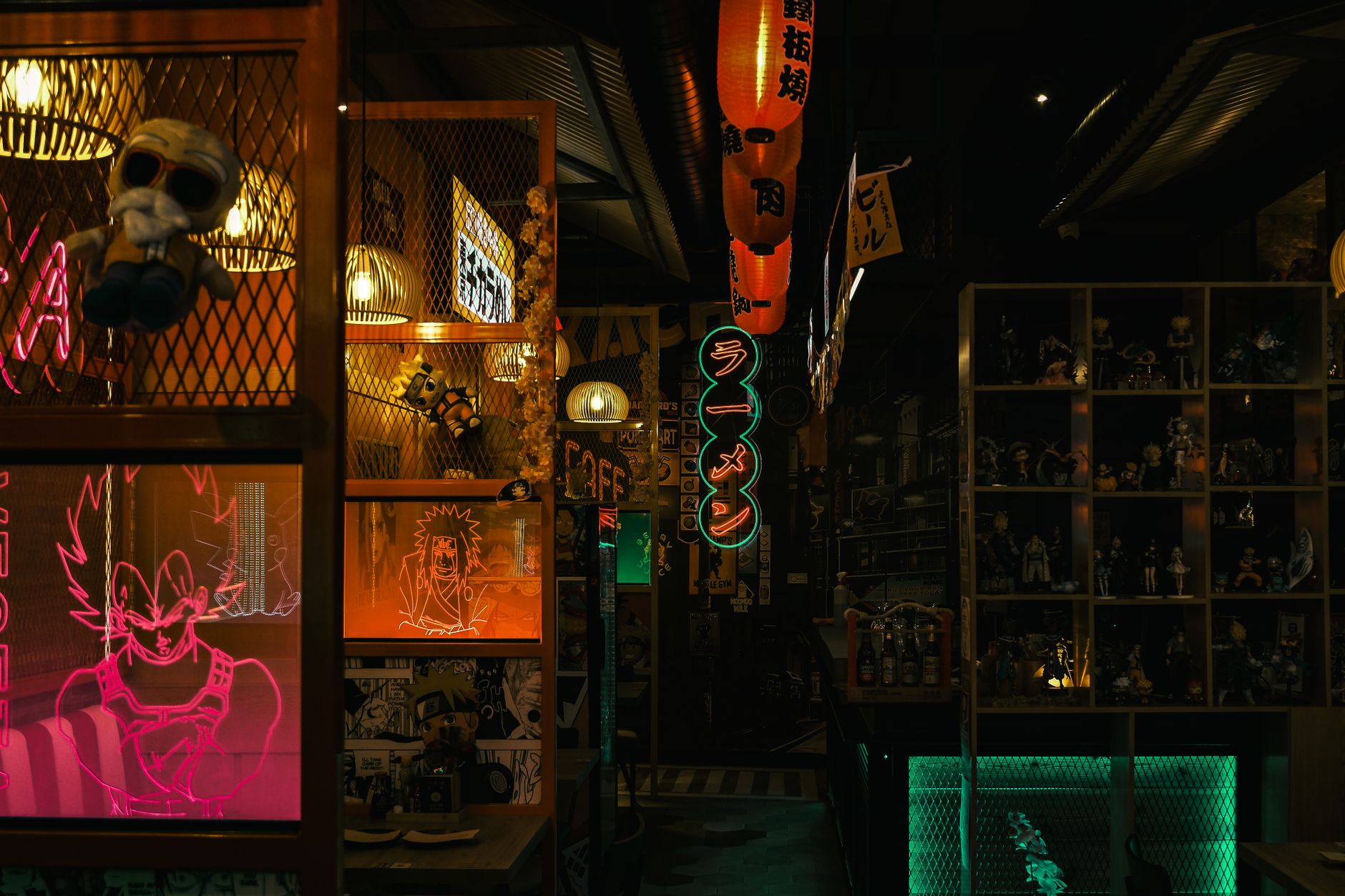
Japanese pop culture has undergone a remarkable transformation over the decades, influencing not just Japan but also captivating audiences around the globe. From the vibrant world of anime and manga to the dynamic rise of J-Pop and fashion trends, Japanese pop culture is a testament to the country’s unique blend of tradition and modernity. This article delves into the various facets of Japanese pop culture, exploring its origins, major influences, and contemporary trends.
The Origins of Japanese Pop Culture
The roots of Japanese pop culture can be traced back to the Edo period (1603-1868), where ukiyo-e woodblock prints depicted popular scenes and stories. However, the true emergence of modern pop culture began in the post-World War II era, when American influence permeated Japanese society. This led to the rise of entertainment forms such as television, music, and cinema, which began to reflect both local and global themes.
The Anime and Manga Explosion
In the late 20th century, the anime and manga industry exploded, gaining international recognition. Iconic series such as ‘Dragon Ball’, ‘Naruto’, and ‘One Piece’ not only dominated the Japanese market but also achieved significant success overseas. According to the Association of Japanese Animation, the anime industry generated approximately 2.5 trillion yen in 2020, illustrating its economic impact.
The storytelling techniques and artistic styles found in anime and manga often explore complex themes, ranging from existentialism to social commentary, making them appealing to a broad audience. Additionally, events such as the Tokyo Anime Award Festival highlight the global appreciation of this medium, drawing in fans from different cultures.
The Rise of J-Pop and Idols
Parallel to the growth of anime, Japanese pop music, or J-Pop, emerged as a genre in the 1990s. Artists like Hikaru Utada and groups like Arashi revolutionized the music scene, blending traditional Japanese sounds with Western influences. The idol culture, which revolves around young performers who cultivate a loyal fanbase, has also taken off, leading to a phenomenon where fandom transcends simple admiration.
In 2019, the J-Pop market was valued at approximately 40 billion yen, reflecting its significant role in both local and international music scenes. The annual music festivals and concerts, including the famous Tokyo Dome shows, further showcase the vibrant energy and creativity of J-Pop.
Fashion Trends and Harajuku Culture
The Harajuku district of Tokyo has become synonymous with unique fashion trends, where eclectic styles reflect a blend of individual expression and pop culture influence. From Gothic Lolita to Kawaii culture, the fashion subcultures found here have garnered attention worldwide. Events like Tokyo Fashion Week have highlighted the work of innovative designers who draw inspiration from both traditional and contemporary sources.
Global Influence and Future Trends
As Japanese pop culture continues to evolve, its influence permeates various sectors, including film, fashion, and digital media. The rise of platforms such as Netflix has allowed anime to reach wider audiences, while collaborations between Japanese and Western artists become increasingly common.
Looking forward, the integration of technology, such as virtual reality and augmented reality in storytelling, hints at an exciting future for Japanese pop culture. The seamless blending of traditional elements with modern technology ensures that this cultural phenomenon will continue to captivate audiences around the world.
Leave a Reply