
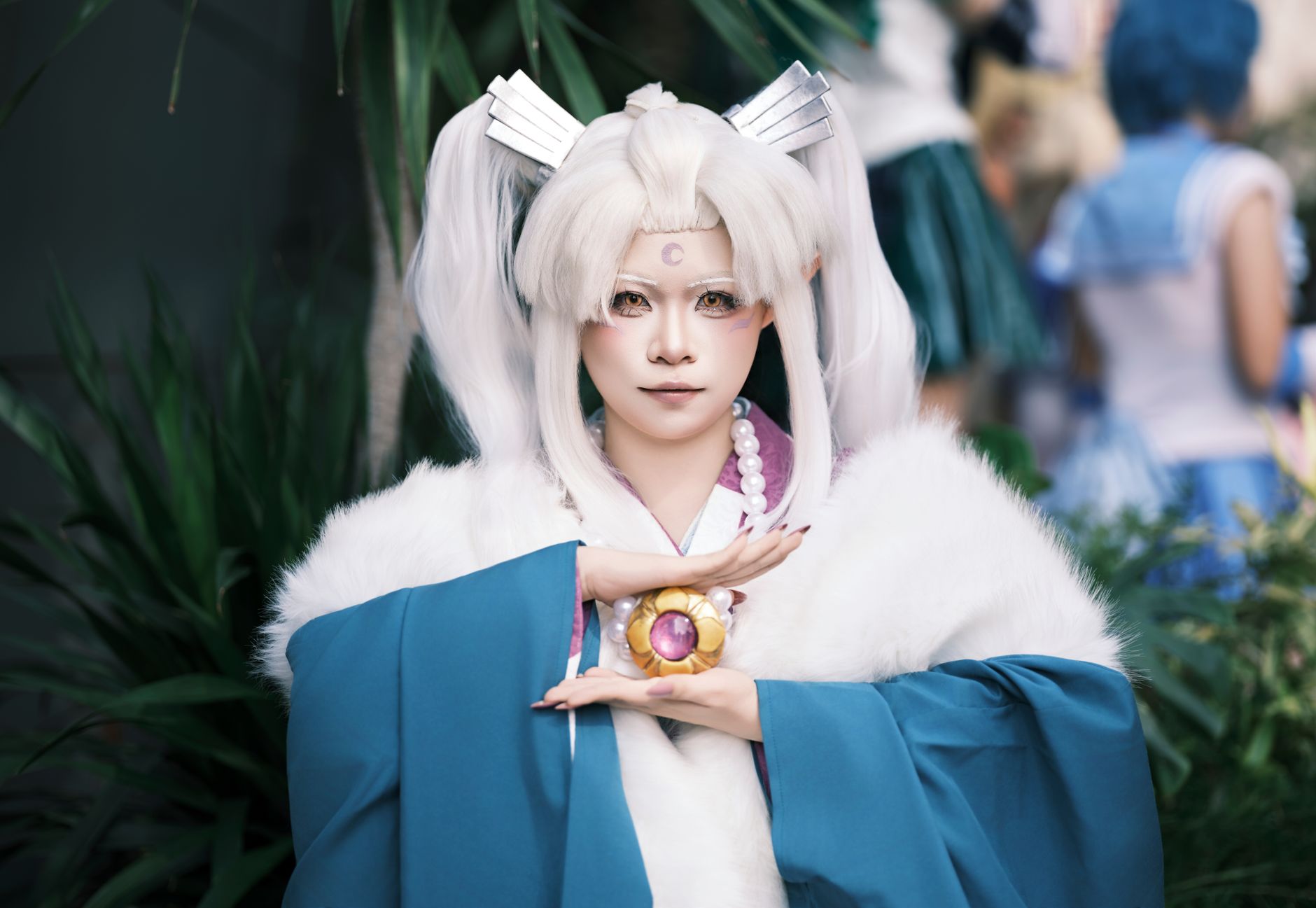
Japanese pop culture, a captivating blend of traditional and modern influences, has gained immense popularity across the globe. From anime and manga to J-pop and fashion trends, the impact of this cultural phenomenon is palpable in various facets of daily life. Understanding the roots and evolution of Japanese pop culture offers valuable insights into not only Japan’s societal values but also its artistic expressions.
In the late 20th century, Japan witnessed a cultural boom characterized by the rise of anime and manga. The 1980s marked the emergence of iconic series like “Mobile Suit Gundam” and “Akira,” which not only defined genres but also set the stage for future productions. The unique storytelling and complex characters in these series appealed to a diverse audience, paving the way for more contemporary hits like “My Hero Academia” and “Attack on Titan.” These shows often explore themes of heroism, friendship, and existential dilemmas, which resonate universally.
The Influence of J-Pop and Music Trends
J-Pop, or Japanese pop music, has played a significant role in the global proliferation of Japanese culture. Artists like Hikaru Utada and Arashi have captivated fans not just with catchy tunes but also through their innovative music videos and engaging performances. According to the Recording Industry Association of Japan, J-Pop generated approximately 380 billion yen in 2020, highlighting its economic significance. Moreover, music festivals such as Summer Sonic and Fuji Rock Festival attract international audiences, further solidifying Japan’s position in the global music scene.
The Fashions that Define Generations
Japanese street fashion is another crucial aspect of pop culture that has gained international recognition. Styles such as Harajuku and Gyaru reflect a vibrant mix of influences, from historical attire to global fashion trends. Harajuku fashion, characterized by its eclectic mix of colors and styles, emerged in the 1990s, often showcasing bold creativity and individuality. The Gyaru movement, with its distinct emphasis on glamour and a tanned aesthetic, illustrates the fluidity of fashion in expressing identity.
Sociocultural Impact and Global Reach
The global impact of Japanese pop culture also extends to gaming. Franchises like “Final Fantasy” and “Pokemon” have transcended cultural barriers, engaging millions worldwide. In 2021, the video game market in Japan was valued at approximately 1.2 trillion yen, cementing its role as a powerhouse in the entertainment industry. Additionally, conventions such as Anime Expo and Comic-Con celebrate this cultural exchange, bringing together fans from various backgrounds who share a passion for Japanese media.
Conclusion: The Future of Japanese Pop Culture
As technology continues to advance and cultural exchanges grow, the future of Japanese pop culture appears bright. New platforms for content distribution, like streaming services and social media, allow for an even wider reach, ensuring that the essence of Japanese creativity remains relevant. As fans around the globe engage with this vibrant culture, the lines between tradition and modernity become increasingly blurred, fostering a unique cultural landscape that will undoubtedly evolve in the years to come.
Leave a Reply