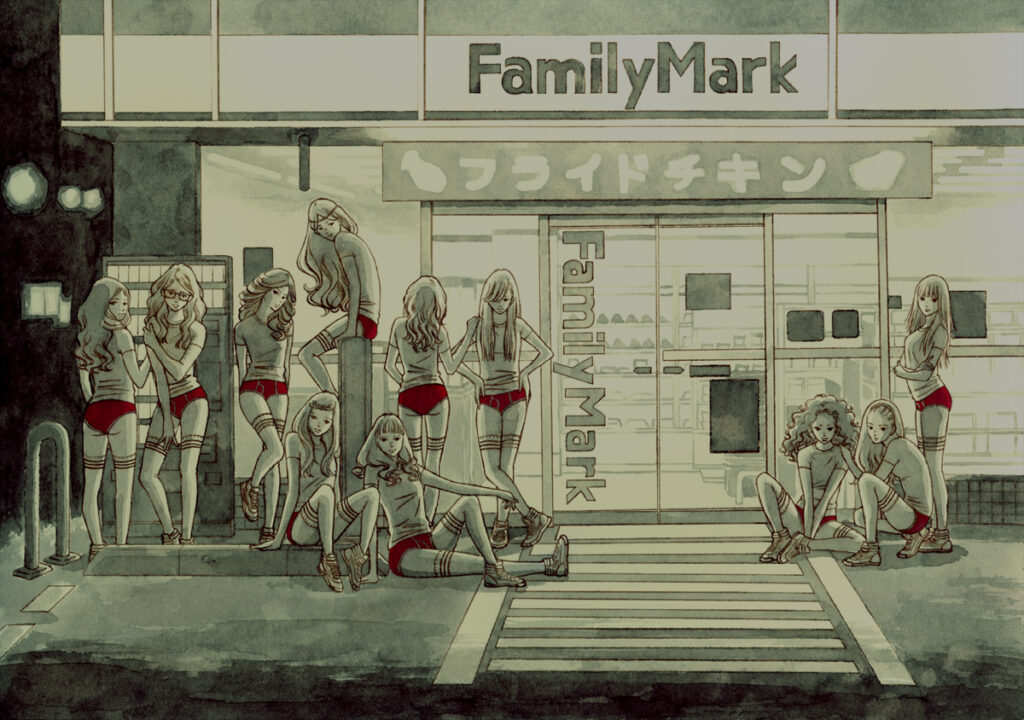
Japanese pop culture has become a significant force on the global stage, influencing various aspects of entertainment, fashion, and even lifestyle choices. From anime to J-pop, this multifaceted phenomenon captures the imagination of millions around the world, making Japan a cultural beacon in the contemporary landscape. The blend of traditional Japanese aesthetics with modern themes has created a unique identity that resonates across borders.
As we delve deeper into the facets of Japanese pop culture, it is essential to understand how its various elements interact with global trends and local traditions.
The Rise of Anime and Manga
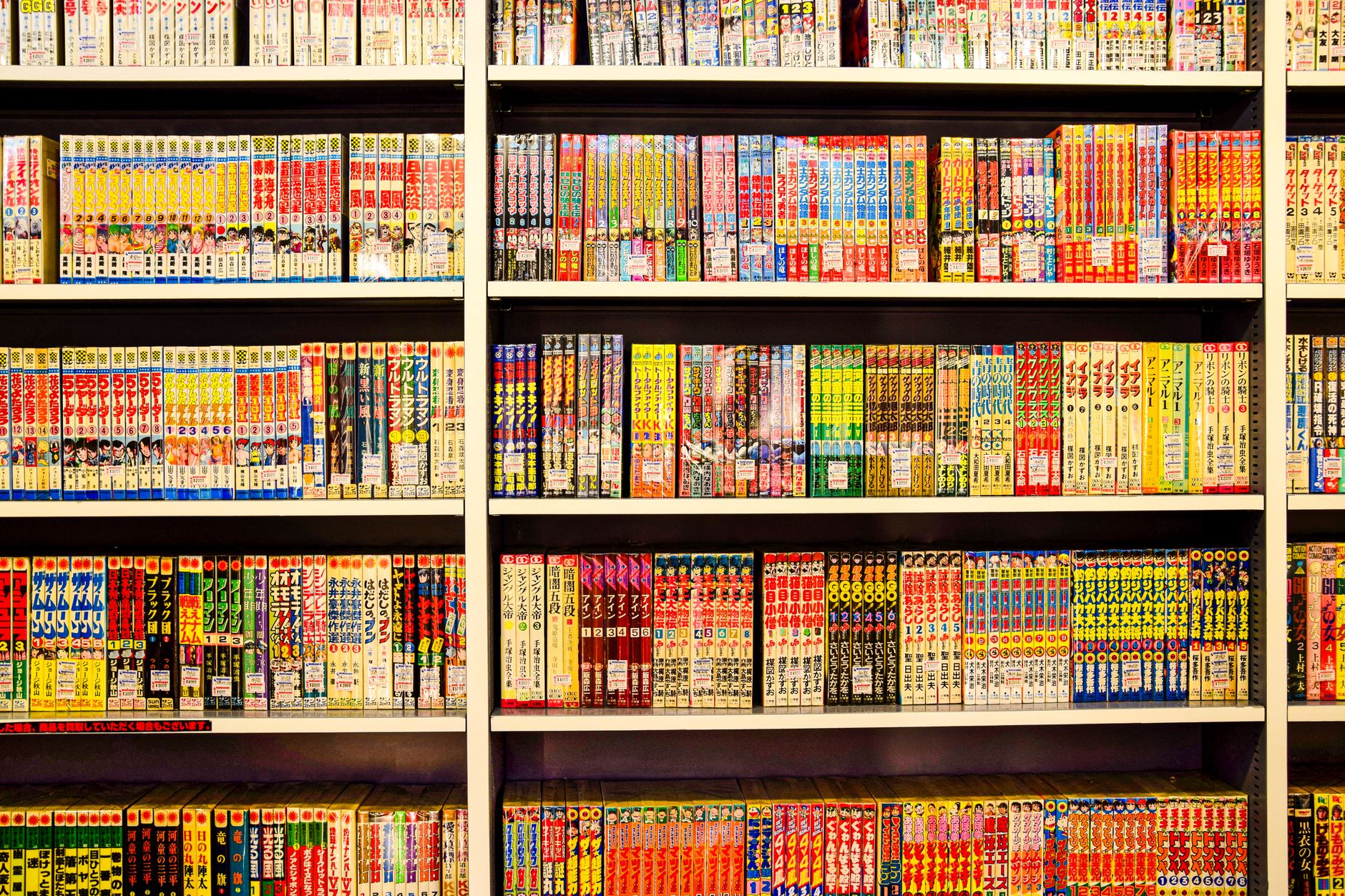
Anime and manga have undoubtedly become the most recognizable exports of Japanese pop culture. The global anime market is projected to reach over 23 billion USD by 2025, indicating its growing popularity. Iconic series like “Naruto,” “Attack on Titan,” and “My Hero Academia” have transcended cultural barriers, captivating audiences with their storytelling and artistic styles. This success can be attributed to the relatable themes these series explore, such as friendship, perseverance, and moral dilemmas.
Furthermore, platforms like Crunchyroll and Netflix have made it easier for international fans to access a wide array of anime titles, fostering a sense of community among viewers who discuss episodes and characters online.
The Influence of J-Pop and Fashion
J-Pop, or Japanese Pop music, is another cornerstone of this vibrant culture. Artists like Namie Amuro and Kenshi Yonezu have garnered massive followings, not only in Japan but also in countries across Asia and beyond. The fusion of diverse musical styles, including rock, hip-hop, and electronic, contributes to the genre’s broad appeal. J-Pop concerts are often lavish events with elaborate performances, showcasing not just the music but also stunning visual aesthetics.
Moreover, Japanese fashion, particularly styles like Harajuku, has captured the world’s attention. Influenced by anime, street culture, and traditional attire, Harajuku fashion is a colorful display of creativity and individuality. This trend has inspired numerous fashion designers globally, leading to collaborative collections that blend Western and Eastern styles.
Cultural Festivals and Events
Events such as Anime Expo in the United States and Tokyo Game Show attract thousands of fans each year, serving as a testament to the widespread enthusiasm for Japanese pop culture. These gatherings offer a platform for fans to engage with their favorite creators, attend panels, and participate in cosplay competitions. They also foster cultural exchange, as attendees share insights and experiences that enrich their understanding of Japanese traditions.
Conclusion: The Future of Japanese Pop Culture
As we look to the future, the influence of Japanese pop culture is likely to continue growing. With advancements in technology and media accessibility, we can expect even more cross-cultural collaborations and innovations. The blend of tradition and modernity will remain a hallmark of this captivating cultural movement, inviting new generations to explore the rich tapestry that is Japanese pop culture.
Leave a Reply