
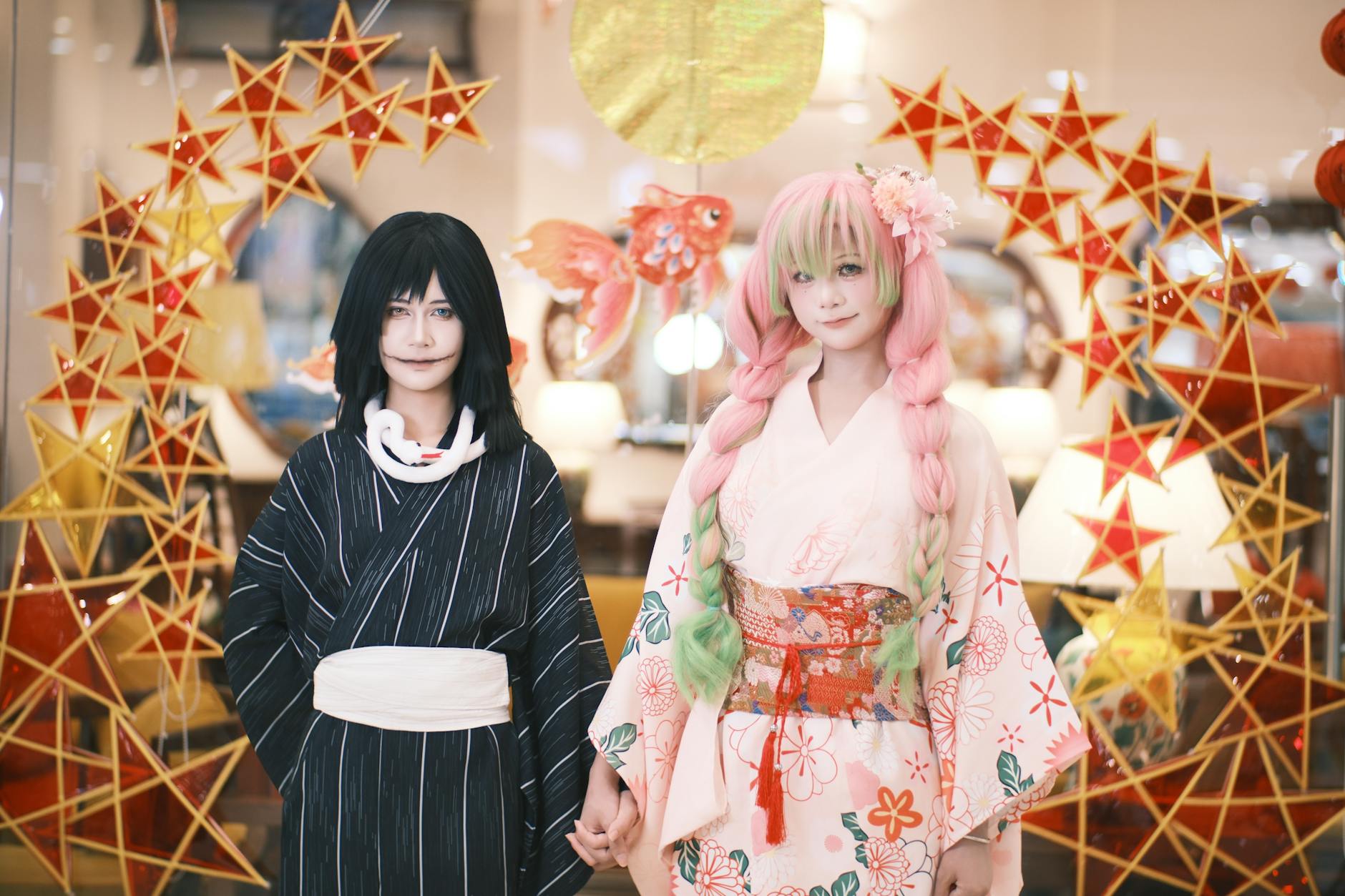
Japanese pop culture has emerged as one of the most influential cultural phenomena globally. Known for its vibrant and diverse forms of entertainment, from anime and manga to J-pop and video games, this cultural export has captivated millions around the world. Its unique blend of tradition and modernity makes it a fascinating subject for exploration, revealing insights into Japanese society and its values.
Understanding the elements that contribute to its global appeal requires a closer look at several key areas, including the impact of technology, fan culture, and the blend of various artistic expressions.
The Rise of Anime and Manga
Anime and manga are perhaps the most recognizable symbols of Japanese pop culture. The global anime market was valued at approximately 24 billion USD in 2020, and this figure is expected to rise significantly. One reason for this immense popularity is the storytelling depth and character development that resonate with diverse audiences. For instance, series like “Attack on Titan” and “My Hero Academia” have not only gained large followings due to their action-packed narratives but also for their themes of resilience and identity.
The Influence of J-Pop
Similarly, J-Pop has carved its niche, blending Western musical styles with traditional Japanese elements. The phenomenon of virtual idols, such as Hatsune Miku, showcases the innovative intersection of technology and music. Hatsune Miku is a Vocaloid software voicebank that has transcended her digital origins to perform live concerts, gathering fans worldwide. Such acts illustrate how Japanese pop culture is not just about music but also about creating unique experiences that blur the lines between reality and virtuality.
Fan Culture and Community Engagement
Another defining aspect of Japanese pop culture is the passionate fan community surrounding it. Events like Comiket, the world’s largest doujinshi fair, and Anime Expo regularly attract hundreds of thousands of attendees. These gatherings are more than just conventions; they are cultural celebrations where fans can express their creativity, share their works, and connect with like-minded individuals. This communal aspect is crucial in forming an engaging environment that fosters creativity and collaboration among fans.
Trends in Gaming and Technology
The gaming industry also reflects the broader trends in Japanese pop culture. The global gaming market, valued at over 175 billion USD in 2021, has seen significant contributions from Japanese companies like Nintendo and Sony. Titles such as “Final Fantasy” and “The Legend of Zelda” are not only commercially successful; they also push the boundaries of storytelling and interactive experiences. Furthermore, the rise of mobile gaming in Japan has altered the landscape, with games like “Fate/Grand Order” becoming cultural mainstays.
The Global Impact of Japanese Pop Culture
In conclusion, Japanese pop culture is a multifaceted and evolving phenomenon that continues to influence global trends. Its blend of traditional and modern elements, underpinned by innovative technology and passionate fan engagement, sets it apart. By understanding these aspects, one can appreciate not only the entertainment value but also the broader cultural implications of this captivating landscape.
Leave a Reply