
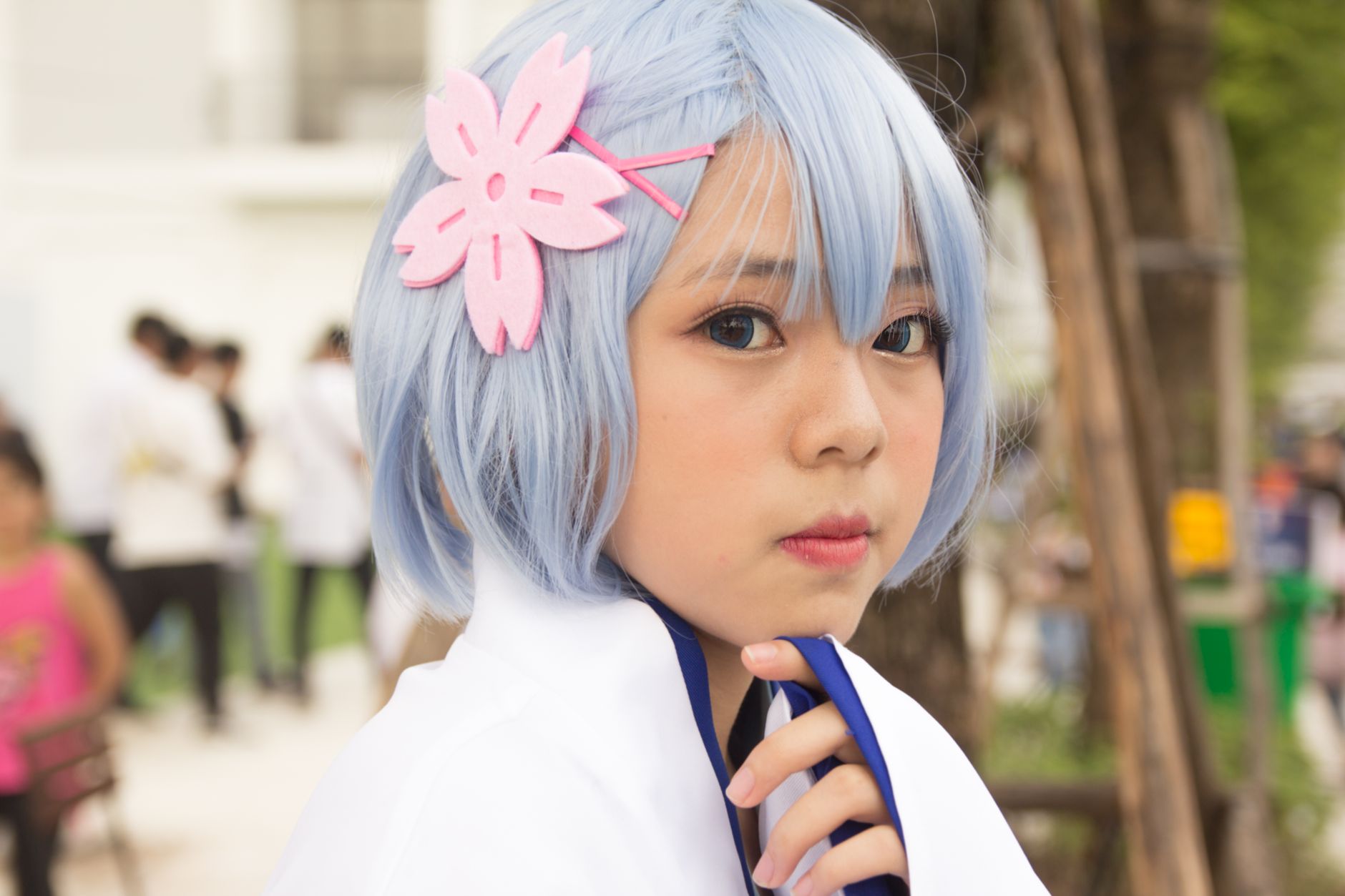
Japanese pop culture encompasses a rich tapestry of art forms, entertainment, and lifestyle trends that have transcended borders to influence global society. From anime and manga to J-Pop and fashion, these elements reflect Japan’s unique social dynamics while also resonating with diverse audiences around the globe. Understanding how these cultural components evolved provides insight into their widespread appeal and significance.
The rise of Japanese pop culture can be linked to several key developments in the late 20th century, particularly the globalization of media. The 1980s and 1990s marked a significant period when Japanese animation began to gain traction outside its home country, with series such as ‘Dragon Ball Z’ and ‘Sailor Moon’ captivating audiences internationally. This surge introduced Western viewers to distinct storytelling styles and character development that diverged from conventional Western cartoons.
The Role of Anime and Manga
Anime and manga are arguably the cornerstones of Japanese pop culture. A report from the Association of Japanese Animations noted that the anime industry generated over 2 trillion yen in revenue in 2020 alone. Iconic franchises such as ‘Naruto’ and ‘One Piece’ have not only amassed millions of fans but have also inspired international adaptations and merchandise. The unique visual aesthetics and often complex narratives engage a wide audience, allowing for both escapism and critical reflections on societal issues.
J-Pop’s Cultural Influence
Japanese pop music, or J-Pop, has similarly made a significant mark on the global music scene. Artists like Hikaru Utada and groups like Arashi have enjoyed international success, with their songs frequently featured in films and television shows worldwide. A notable example is the song “First Love” by Utada, which remains one of the best-selling singles in Japan, influencing artists far beyond its borders. The vibrant and eclectic nature of J-Pop has led to collaborations with Western artists, showcasing how Japanese music has become a vital part of the global pop culture dialogue.
Fashion and Street Culture
The fashion scene in Japan, particularly in districts like Harajuku, exemplifies how pop culture manifests in everyday life. The eclectic styles seen on the streets range from traditional kimonos to avant-garde outfits influenced by anime and video game characters. This unique blend not only inspires designers but has also led to global trends that incorporate Japanese aesthetics. The concept of “kawaii” (cuteness) has permeated fashion worldwide, with brands adopting this philosophy to appeal to younger consumers.
Conclusion
In summary, Japanese pop culture is a multidimensional phenomenon that plays a crucial role in shaping global trends across various domains. Its influence can be seen in entertainment, music, and fashion, highlighting the power of cultural exchange in a globalized world. By examining these elements, it becomes evident that Japanese pop culture is not just a fad, but a lasting legacy that continues to inspire and engage audiences globally.
Leave a Reply