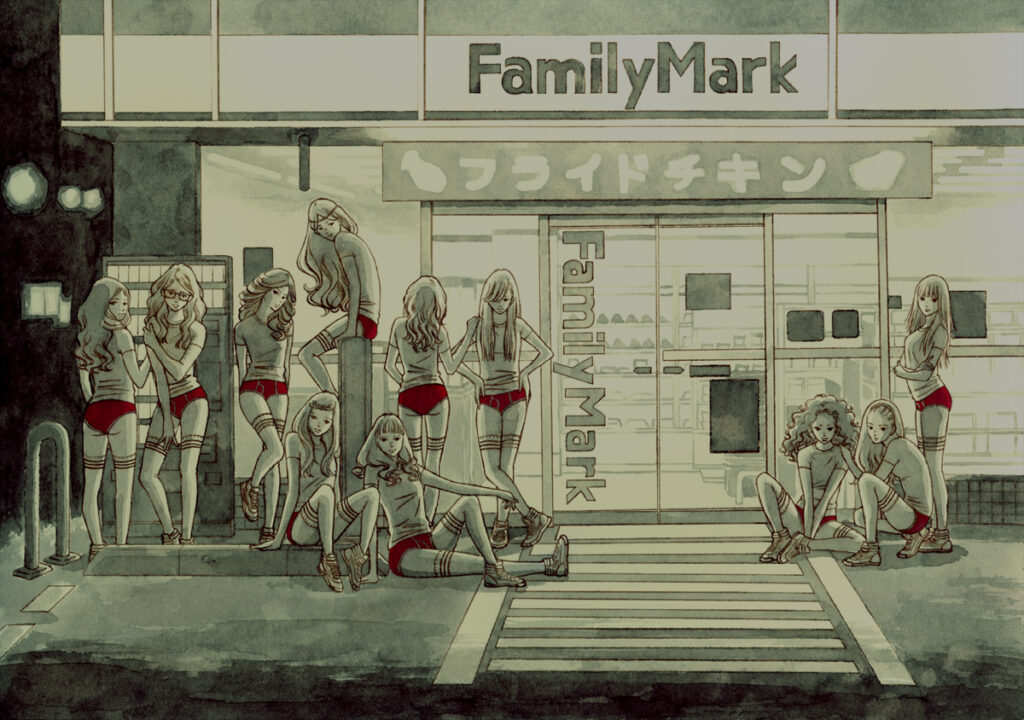

The vibrant universe of indie comics is a treasure trove for both creators and readers seeking fresh narratives and artistic expressions. Unlike mainstream comics, which often revolve around established characters in expansive universes, indie comics allow for greater creative freedom, often tackling niche topics, experimental art styles, and diverse voices. This article delves into the essence of indie comics, highlighting their significance in the broader landscape of graphic storytelling.
Indie comics often emerge from small publishers or self-publishing initiatives, offering an alternative to the corporate-driven models of larger comic book companies. They provide a unique platform for creators to explore personal stories and themes that resonate with specific audiences. For example, the success of titles like “Saga” by Brian K. Vaughan and Fiona Staples showcases how indie comics can achieve mainstream success while maintaining their unique flair.
The Creative Freedom of Indie Comics
One of the most appealing aspects of indie comics is the creative freedom afforded to their creators. This freedom encourages experimentation with storytelling techniques, art styles, and themes that might be deemed risky or unconventional by larger publishers. For instance, “Scott Pilgrim” by Bryan Lee O’Malley blends video game aesthetics with a coming-of-age story, which may not have found a place in traditional publishing.
Representation and Diversity
Indie comics have become a vital space for representation and diversity in storytelling. Creators from varied backgrounds craft narratives that reflect their experiences and perspectives, enriching the medium as a whole. Titles like “Mooncakes” by Wendy Xu and Suzanne Walker offer insights into LGBTQ+ relationships and Asian-American identities, providing representation that has historically been underrepresented in mainstream comics.
The Role of Digital Platforms
The rise of digital platforms has revolutionized the distribution of indie comics. Websites like Webtoon and Tapas allow creators to reach global audiences without the gatekeeping often associated with traditional publishing. This accessibility has led to a surge in diverse voices and styles, leading to a richer comic ecosystem. For example, artists can upload their work chapter by chapter, building a fanbase even before a physical print is available.
Challenges Faced by Indie Creators
Despite the opportunities, indie comic creators face numerous challenges, including financial constraints, marketing hurdles, and the struggle for visibility in a crowded market. Many creators juggle multiple roles, from writer to artist to marketer, often relying on crowdfunding platforms like Kickstarter to finance their projects. Success stories, such as “The Adventure Zone” graphic novel, demonstrate how community support can propel indie projects into the spotlight.
Conclusion: The Future of Indie Comics
As indie comics continue to flourish, they promise to push the boundaries of storytelling and artistic expression. Their ability to foster fresh narratives and amplify underrepresented voices not only enriches the comic landscape but also challenges societal norms. The future of indie comics is bright, filled with potential for new ideas and innovative storytelling that captivates audiences beyond traditional formats.
Leave a Reply