
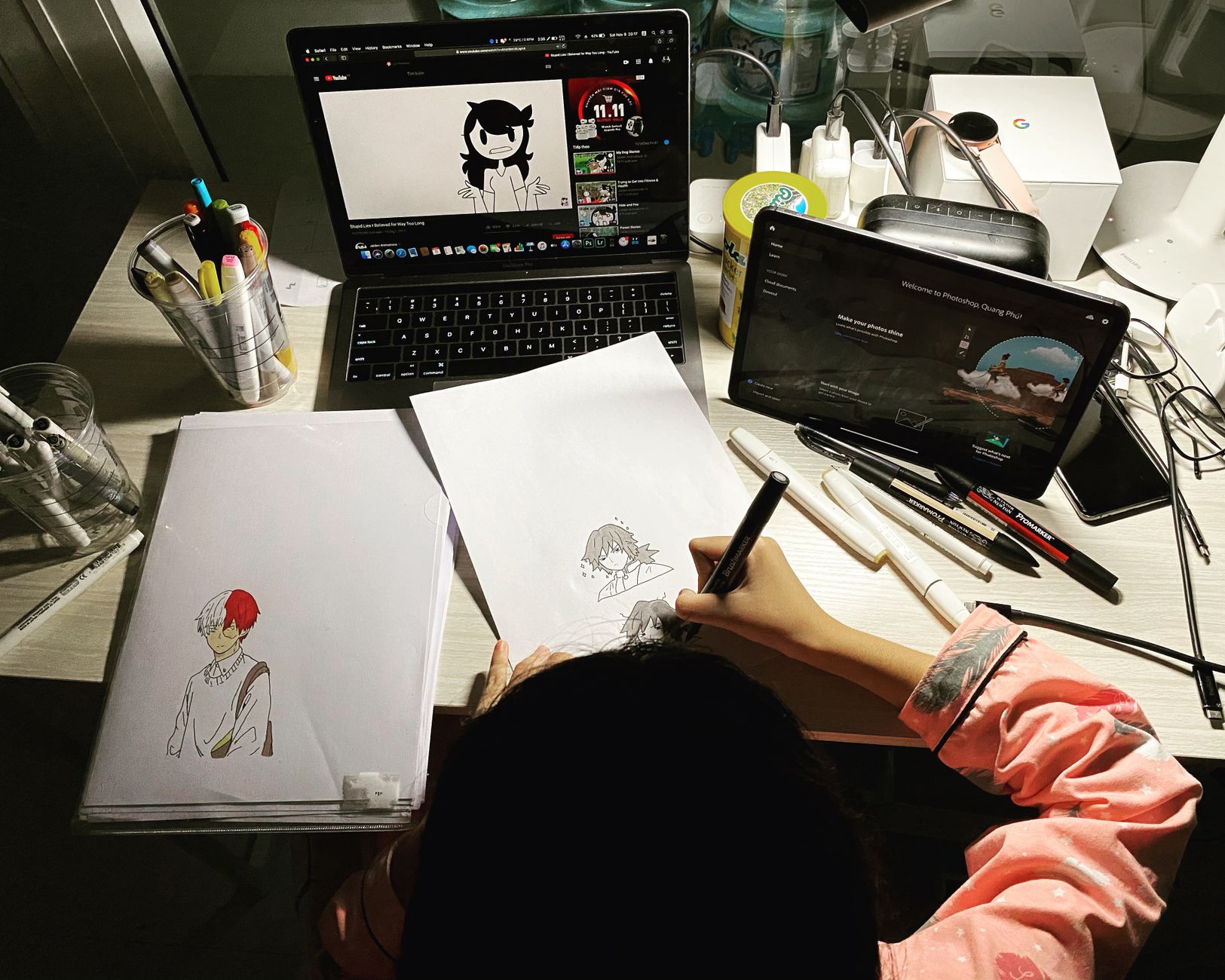
Illustration has evolved into a vital form of expression in various fields, including graphic design, animation, and advertising. Artists often seek to refine their skills, yet many tutorials fail to cover the depth and nuance required for mastery. This article offers a comprehensive exploration of essential techniques, enabling both beginners and experienced illustrators to enhance their craft.
By breaking down the process into manageable steps, this guide will address the core methods and tools used by professional illustrators, fostering a greater understanding of the art form.
Understanding Basic Tools and Materials
Before diving into complex techniques, it’s crucial to familiarize yourself with the tools at your disposal. Traditional illustrations typically require pencils, inks, and a variety of paper types. For digital illustration, software such as Adobe Illustrator or Procreate is indispensable. Each tool offers unique advantages, like vector versatility in Adobe Illustrator or the freehand flexibility of Procreate.
For instance, if you’re planning to create detailed character designs, understanding how to use layering in a software program can drastically improve both your workflow and final outcomes. The combination of a tablet and stylus allows for precision that mimics traditional drawing, making it essential for detailed works.
Developing Your Drawing Skills
No matter your style, mastering the fundamentals of drawing is critical. Spend time sketching daily, focusing on proportion, perspective, and anatomy. Many artists find success in practicing with live models or utilizing reference images. For example, take a series of photos of subjects in various poses and use these as a basis for your sketches.
Moreover, consider the concept of gesture drawing, which is an excellent method for capturing the essence of movement. Practicing quick, spontaneous sketches helps to build muscle memory and enhances your ability to depict dynamic poses.
Exploring Color Theory and Composition
Color can significantly impact the mood and effectiveness of illustrations. A solid understanding of color theory, including the color wheel and complementary colors, will allow you to make informed decisions about your palette. For example, using analogous colors can create harmony in your illustrations, while contrasting colors can draw attention to specific elements.
Composition is equally important. Learn to utilize the rule of thirds or the golden ratio to arrange elements within your artwork strategically. These principles guide the viewer’s eye and create a more engaging image. Additionally, experimenting with different layouts can lead to unexpected and exciting results.
Incorporating Digital Tools for Efficiency
In the digital age, leveraging technology can streamline your illustration process. Familiarize yourself with layers in digital software, enabling you to work on different aspects of your illustration independently. This approach allows for easy adjustments without affecting the entire piece.
Furthermore, understanding shortcuts and tools within your software can enhance efficiency. For instance, utilizing the lasso tool for selections and the transform tool for scaling can save time and improve precision.
Finalizing Your Work
Once your illustration is complete, review it critically. Look for inconsistencies in color, form, and line work. Take breaks between your final touches to return with fresh eyes, making it easier to identify areas for improvement.
After making necessary adjustments, consider the final presentation of your work. Whether you are preparing for print or digital sharing, understanding the correct resolution, format, and color settings ensures your artwork looks its best.
By following these detailed techniques and practicing regularly, you will develop your illustration skills and create compelling artwork that resonates with viewers.
Leave a Reply