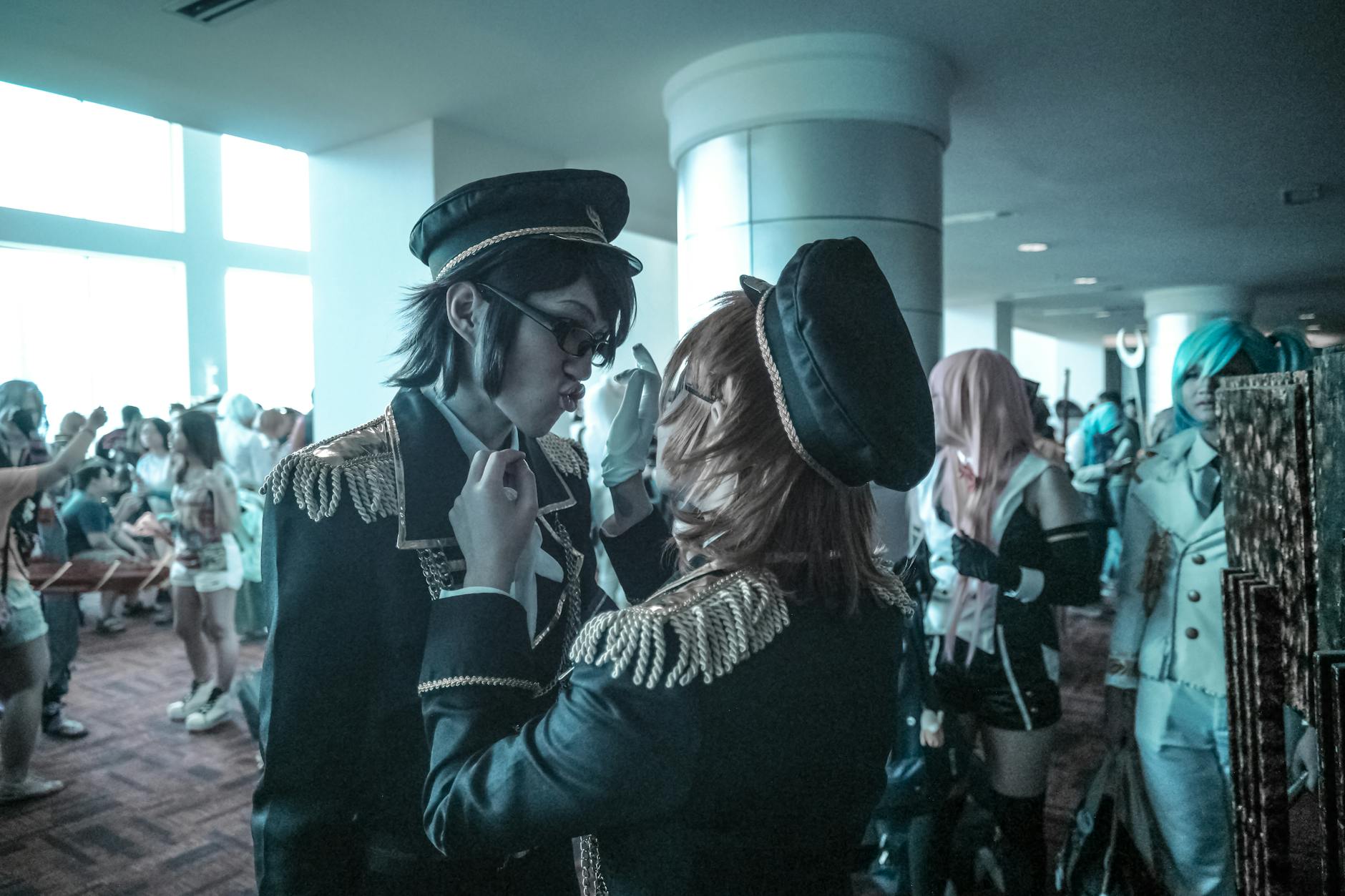
Cosplay culture has evolved significantly since its inception, transforming into a global phenomenon that transcends borders and demographics. What began as a niche hobby for anime enthusiasts has now blossomed into a vibrant community characterized by creativity, craftsmanship, and connection. This article delves into the multifaceted nature of cosplay, examining its cultural significance, the skills involved, and the growing acceptance of this art form in mainstream society.
At its core, cosplay involves not only the act of dressing as a character from a video game, film, or comic but also the embodiment of that character’s spirit. Cosplayers often invest significant time and resources into creating accurate and detailed costumes, which fosters a sense of pride and accomplishment.
The Craftsmanship Behind Cosplay
One of the most remarkable aspects of cosplay culture is the level of craftsmanship that many cosplayers bring to their projects. Skills such as sewing, prop-making, and makeup artistry are frequently employed to achieve authentic representations of beloved characters. For example, some cosplayers create intricate armor using materials like EVA foam or thermoplastics, which require not only creativity but also technical know-how.
Moreover, tutorials and online communities play a pivotal role in the dissemination of knowledge within the cosplay community. Resources like YouTube channels, social media groups, and convention workshops enable aspiring cosplayers to learn from seasoned veterans, expanding their skills and enhancing the overall quality of costumes in the community.
Community and Connection
Cosplay culture thrives on community engagement, with conventions serving as the epicenter for events and gatherings. Major conventions like San Diego Comic-Con, Anime Expo, and New York Comic Con attract thousands of attendees, encouraging interaction and collaboration among fans. Cosplay contests at these events not only celebrate talent but also foster a sense of belonging among participants.
Social media platforms, particularly Instagram and TikTok, have further revolutionized the way cosplayers connect. These platforms allow for the sharing of creations, behind-the-scenes processes, and even virtual meet-ups, thus bridging gaps for those unable to attend physical events. The ability to showcase one’s work and receive feedback from a global audience can be incredibly empowering.
Cultural Significance and Acceptance
As cosplay culture has gained traction, it has also begun to blur the lines between fandom and art. Society’s increasing acceptance of cosplay is evident in the portrayal of cosplayers in mainstream media, ranging from documentaries to reality shows focused on costuming and character representation. This shift not only validates the dedication of cosplayers but also highlights the importance of self-expression within the artistic community.
Furthermore, the diverse representation within the cosplay culture challenges stereotypes and promotes inclusivity. Cosplay encourages individuals from various backgrounds to engage with characters that resonate with them, regardless of physical appearance or cultural heritage. This inclusive approach fosters a rich tapestry of interpretations and adaptations, celebrating the diversity of fandom.
Leave a Reply