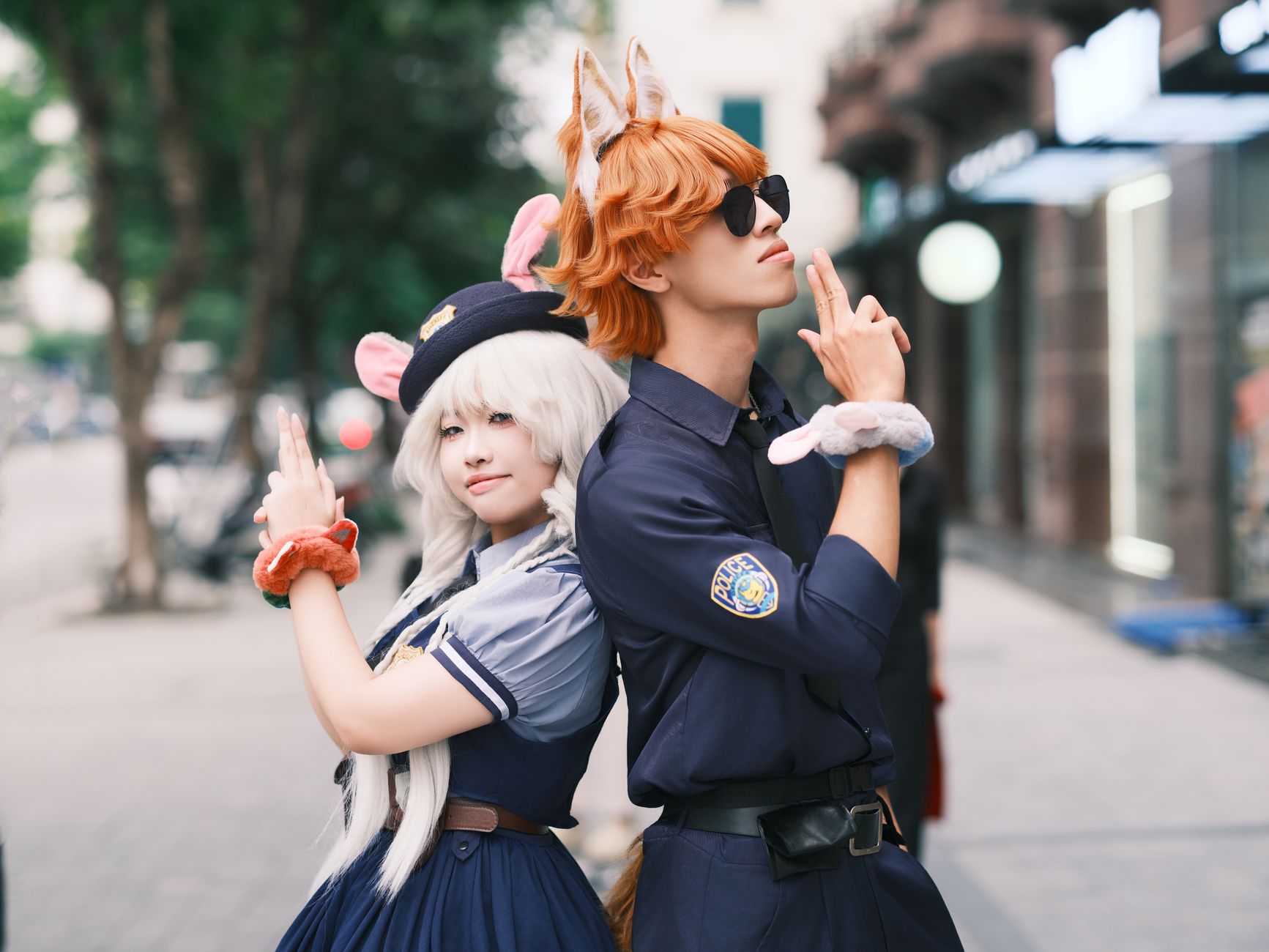
Cosplay culture has evolved into a vibrant and dynamic subculture that encapsulates creativity, community, and a shared passion for character portrayal. While its roots can be traced back to the early 20th century, it gained significant traction in the 1980s and 1990s, particularly with the rise of anime and comic conventions. Today, cosplay is more than just dressing up; it’s a multifaceted phenomenon that influences fashion, art, and social interactions.
Understanding the essence of cosplay involves delving into the motivations behind it. Many cosplayers engage in this art form to express their love for a particular character or franchise, while others see it as a form of performance art. The craftsmanship involved in creating costumes plays a crucial role, often requiring extensive skills in sewing, prop-making, and even makeup artistry.
The Craft of Cosplay: Skill and Creativity Combined
Creating a costume can be a labor-intensive process, with many cosplayers spending weeks or even months perfecting their outfits. For instance, a detailed portrayal of a character from a popular video game may require the use of advanced materials like thermoplastics for armor or LED lights for accents. Cosplayers often share their techniques online through tutorials and social media, fostering a community of learning and inspiration.
Community and Connection in Cosplay
The sense of belonging in the cosplay community cannot be overstated. Online platforms like Instagram and TikTok have allowed cosplayers to showcase their work, connect with others, and participate in global challenges. Events such as Comic-Con and Anime Expo serve as gathering points for enthusiasts, where individuals can meet face-to-face, share tips, and participate in competitions. These events also feature panels and workshops that educate both newcomers and seasoned cosplayers on various aspects of character portrayal.
Addressing Misconceptions About Cosplay
Despite its growing popularity, cosplay culture is often misunderstood. One common misconception is that it promotes escapism or social isolation. In reality, many cosplayers use their passion as a gateway to build friendships and engage with a broader community. Moreover, cosplaying can also empower individuals by promoting self-expression and confidence. It encourages people to step outside their comfort zones and embrace their uniqueness.
The Future of Cosplay Culture
As technology continues to advance, the future of cosplay looks promising. Innovations in 3D printing and virtual reality are transforming how costumes are created and experienced. For example, 3D printing allows for intricate designs that were once labor-intensive to produce, enabling more detailed and accurate representations of characters. Virtual conventions have also emerged, allowing cosplay to reach a global audience without the need for physical travel.
In conclusion, cosplay culture is a rich tapestry woven from creativity, community, and shared interests. It encourages individuals to channel their passion into a tangible art form while fostering connections that transcend geographical boundaries. As the culture continues to evolve, it remains a testament to the enduring power of imagination and collaboration among fans worldwide.
Leave a Reply