The beginning of 2026 feels quieter than I expected.
There is something about early January that always carries a sense of 空気感, a subtle atmosphere that is difficult to explain. The celebrations are over. The noise has faded. What remains is space. Space to think, to notice, and to decide what truly deserves attention.
At the start of this year, I find myself drawn less to loud trends and more to small, intentional experiences. It is not that I have lost interest in what is new. Rather, I have become more selective about what I allow into my daily rhythm.
One of the first things capturing my attention in 2026 is the concept of digital balance. Over the past decade, global screen time has steadily increased. Research published in recent years suggests that many adults now spend more than six hours per day interacting with digital devices. That number no longer feels surprising. If anything, it feels normal.
Still, I began to question how much of that interaction is meaningful.
Earlier this month, I made a quiet adjustment. I removed several non essential apps from my phone’s main screen. Notifications were reduced to only what truly mattered. The result was subtle but noticeable. My mornings felt calmer. Instead of reaching for my phone immediately after waking up, I began sitting by the window for a few minutes.
Just silence.
静かな朝.
That silence has become one of my favorite parts of the day.
With less digital noise, I rediscovered my appreciation for physical media. Vinyl records, printed essays, and small notebooks have slowly returned to my desk. There is a certain weight to them that feels grounding. Studies have suggested that reading from paper can improve retention compared to reading on screens. Whether entirely accurate or not, I find that turning a page demands more attention than scrolling.
Music, in particular, has taken on new importance. Instead of jumping between songs, I have been listening to full albums from start to finish. Albums are structured with intention. The order of tracks creates emotional progression. When I listen carefully, I notice transitions that I would otherwise overlook.
This slower approach feels aligned with a broader cultural shift. Analysts observing consumer behavior in 2026 often speak about “intentional living.” Many people appear to be prioritizing quality over quantity. Experiences over excess. Depth over speed.
I see that pattern in myself as well.
Another thing that has captured my attention is the renewed charm of local spaces. 小さなカフェ, neighborhood bookstores, small galleries. After years of rapid change in urban environments, there seems to be a quiet appreciation for community based spaces again.
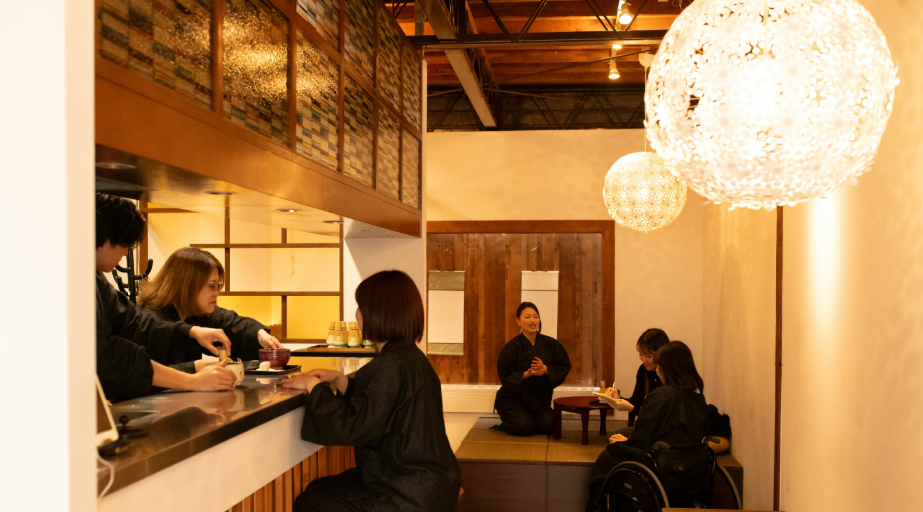
Recently, I spent an afternoon in a modest cafe tucked between two office buildings. It was not trending online. There was no dramatic interior design. Yet the atmosphere felt warm. The barista greeted regular customers by name. Conversations flowed slowly. No one appeared to be in a rush.
Moments like that feel increasingly valuable.
Environmental design has also become a subtle focus for me. At home, I have rearranged furniture to allow more natural light in the morning. Lighting has a measurable impact on mood and productivity. Research in environmental psychology indicates that exposure to natural light can improve focus and overall well being.
After making small adjustments, I noticed I felt more present during the day.
Evenings have been reserved for walking. Not power walking. Not exercise tracking. Just walking without a strict目的. The early 2026 air has been colder than usual. Streetlights reflect softly on damp pavement. Neon signs shimmer quietly in the distance.
Sometimes I walk without headphones.
I pay attention to footsteps, distant traffic, fragments of conversation. I do not document everything. Not every moment needs to become content. Some experiences are better left unshared, existing only in memory.
Technology itself remains fascinating to me. Artificial intelligence continues to expand into creative industries. Smart devices are becoming more integrated into daily life. Yet instead of being captivated solely by innovation, I am more curious about harmony.
How do we integrate these tools without losing our sense of stillness.
このバランス is what interests me most.
My reading habits have also shifted. I find myself gravitating toward long form essays rather than short updates. Depth requires patience. It demands attention. In an era where immediacy dominates, choosing depth feels almost rebellious.
Food has quietly entered this pattern of awareness as well. Seasonal ingredients have always interested me. Winter produce carries its own character. Citrus fruits are brighter against grey skies. Warm dishes feel more satisfying in colder months. Nutritionists often recommend seasonal eating for better flavor and nutrient density. Beyond science, it simply feels appropriate.
Cooking at home has become less experimental and more intentional. A simple breakfast prepared slowly creates a different tone for the day compared to something consumed in haste.
When I observe these changes collectively, I notice a theme.
What is capturing my attention at the start of 2026 is not a dramatic trend or a viral moment. It is refinement. It is choosing fewer things, but engaging with them more deeply.
Slower mornings.
Physical books.
Full albums.
Local cafes.
Long walks.
Intentional technology use.
These are not revolutionary habits. They are quiet adjustments. Yet small adjustments accumulate over time.
The beginning of a year often comes with pressure to transform completely. New goals, ambitious plans, dramatic resolutions. This time, I am approaching 2026 differently. Instead of radical change, I am focusing on clarity.
What deserves my attention.
What drains it.
What feels aligned with who I am now.
Attention is limited. Where we place it shapes the texture of our days. If early 2026 has taught me anything so far, it is that protecting attention is an act of care.
大きな変化は必要ない.
Sometimes, noticing carefully is enough.
And for now, that is exactly what I intend to continue doing.
Leave a Reply