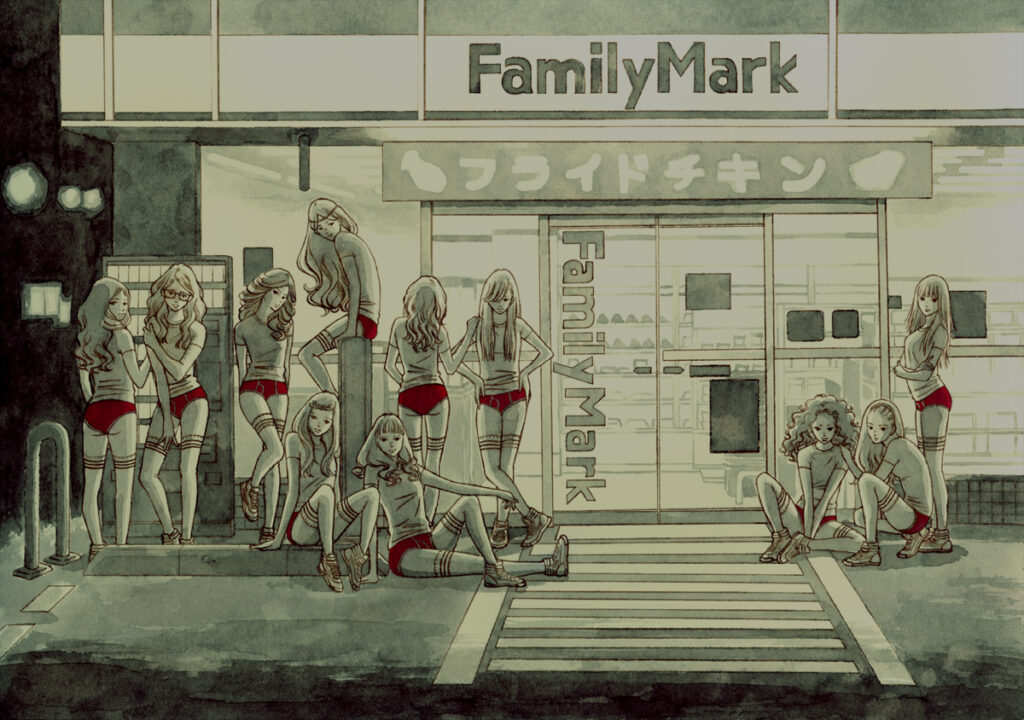
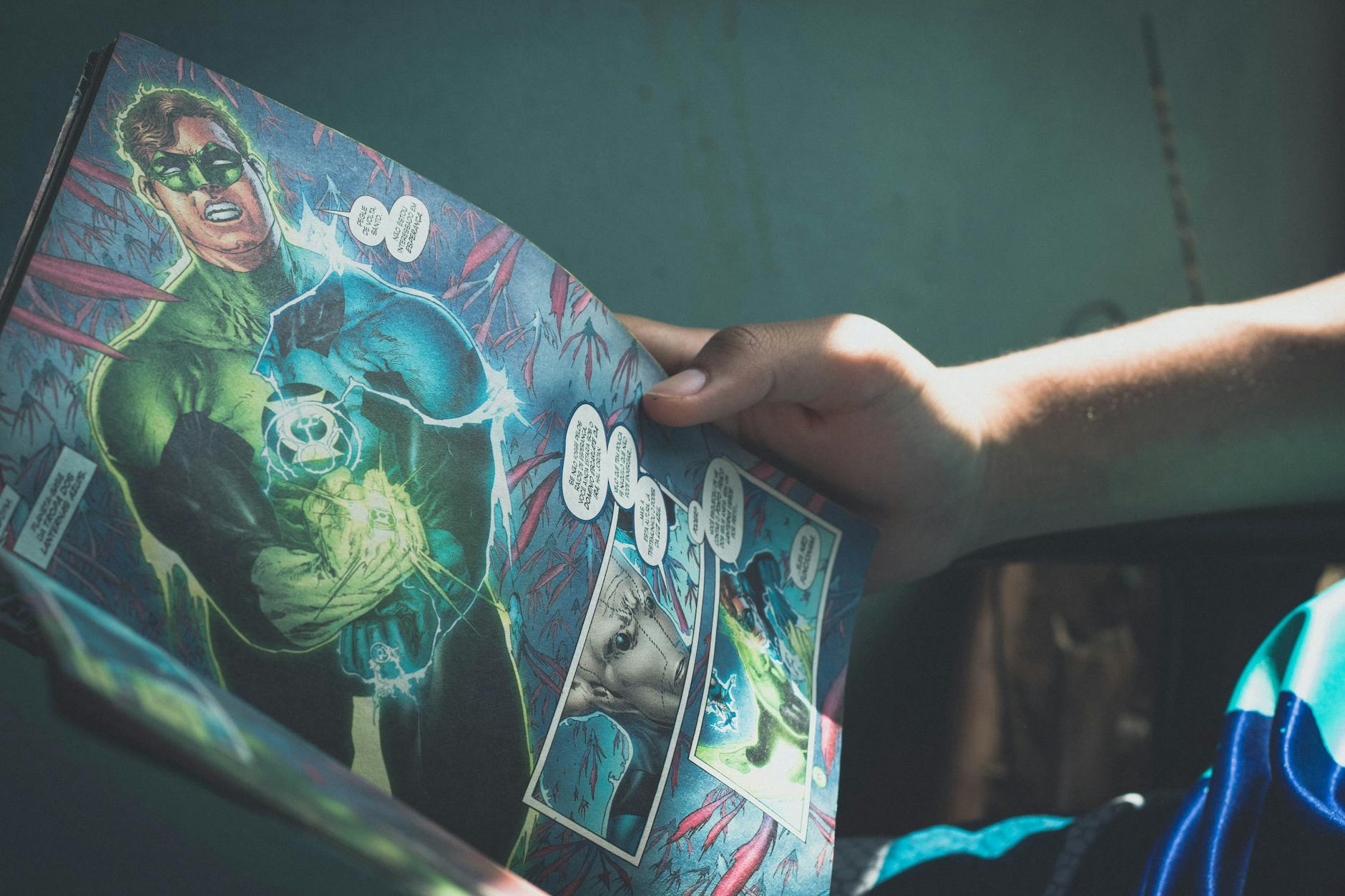
The world of indie comics has blossomed into a vibrant and diverse landscape, offering an array of stories that often challenge mainstream narratives. Unlike their mainstream counterparts, indie comics are frequently characterized by their unique artistic styles, innovative storytelling, and the freedom they provide creators to explore unconventional themes. This burgeoning genre not only showcases fresh talent but also allows for a deeper exploration of cultural issues, identity, and personal experiences.
As more creators turn to independent publishing, understanding the dynamics of indie comics becomes essential for enthusiasts and newcomers alike. This article delves into ten crucial insights about indie comics that highlight their significance in contemporary literature.
1. Creative Freedom and Diverse Voices
One of the most compelling aspects of indie comics is the creative freedom they offer. Independent creators can take risks with their narratives and artistic styles, resulting in a plethora of diverse voices that might be overlooked in mainstream publishing. For example, works like “Moonlight” by Khari Evans and “The Complete Maus” by Art Spiegelman have addressed complex themes such as race and trauma, showcasing perspectives that often remain underrepresented.
2. Crowdfunding as a Game Changer
The rise of crowdfunding platforms like Kickstarter and Indiegogo has significantly altered the indie comics landscape. These platforms allow creators to secure funding for their projects without the need for traditional publishing deals. In 2019 alone, Kickstarter reported that over 4,000 comic-related projects were funded, raising millions of dollars, thereby empowering creators to bring their visions to life without external constraints.
3. Community and Collaboration
Indie comics thrive on community support and collaboration. Many creators form collectives or participate in small press expos, where they can network, share resources, and promote one another’s work. Events like the Small Press Expo (SPX) in the United States serve as a hub for indie creators, allowing them to connect with fans and fellow artists, fostering a sense of camaraderie in the industry.
4. Digital Platforms and Accessibility
The digital age has transformed how indie comics are distributed and consumed. Webcomics and digital publishing platforms have made it easier for creators to reach wider audiences without the overhead costs associated with print publishing. Websites like Webtoon and Tapas allow for serialized storytelling, where readers can access new content regularly, creating a more engaging reading experience.
5. The Global Indie Scene
Indie comics are not limited to just one country. Countries around the globe have vibrant indie comic scenes. For instance, the French comic industry has a rich history of indie publications, with titles like “Persepolis” by Marjane Satrapi gaining international acclaim. Similarly, Japanese indie manga has introduced unique storytelling techniques that challenge traditional norms in graphic novels.
6. Growing Acceptance and Recognition
As indie comics gain popularity, they are increasingly being recognized in prestigious awards. The Eisner Awards, often referred to as the “Oscars of Comics,” have seen a growing number of indie creators nominated and celebrated for their work. This growing acceptance not only highlights the quality of indie comics but also encourages new voices to enter the field.
7. Engaging with Social Issues
Many indie comics delve into pressing social issues, using the medium to discuss topics like mental health, immigration, and identity politics. For instance, “The Arab of the Future” by Riad Sattouf discusses the complexities of cultural identity and heritage, reflecting the author’s own experiences growing up as a child of mixed backgrounds. This engagement with meaningful subject matter resonates with readers and fosters important conversations.
8. The Role of Self-Publishing
Self-publishing has become a viable route for many indie creators. Platforms like ComiXology Submit allow creators to publish their comics digitally and retain more control over their work. This empowerment is vital in ensuring that creators can express their visions without compromising their artistic integrity, allowing for a true reflection of their unique perspectives.
9. Hybrid Genres and Innovative Formats
Indie comics frequently experiment with hybrid genres and innovative formats. Blending elements of prose, graphic storytelling, and multimedia components, artists like Emma Ríos with “I.D.” have pushed the boundaries of what comics can achieve. This experimental approach captures the imagination and encourages readers to engage with the medium in new ways.
10. The Future of Indie Comics
The future of indie comics appears bright, with new creators continuously entering the scene and technology evolving to support diverse storytelling. As readers increasingly seek authenticity and originality, indie comics will likely play a crucial role in shaping the future of graphic literature, offering stories that resonate on personal and societal levels.
Leave a Reply