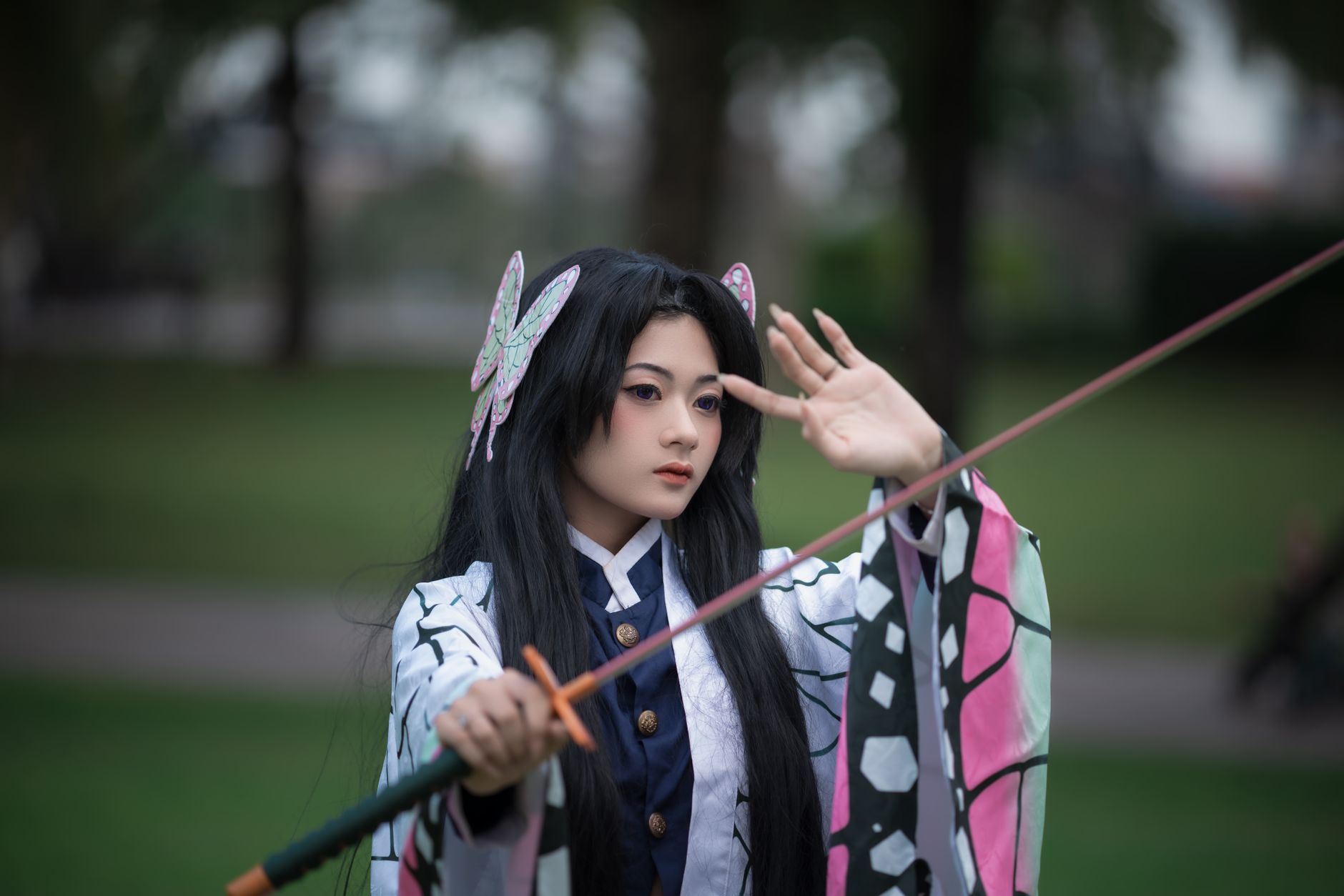
Cosplay culture has evolved significantly over the years, transforming from niche hobbyism into a vibrant global phenomenon. Originating in Japan, cosplay-a portmanteau of “costume” and “play”-involves individuals dressing up as characters from various media, including anime, video games, comics, and movies. This immersive form of expression allows fans to engage with their favorite characters on a deeper level, fostering creativity and community among participants.
As cosplay continues to grow in popularity, it has transcended borders and cultural barriers, becoming a widespread practice embraced by diverse demographics worldwide. The advent of social media platforms has further propelled this trend, enabling cosplayers to showcase their costumes and connect with a global audience.
Key Elements of Cosplay Culture
At the heart of cosplay culture lies the meticulous attention to detail in crafting costumes. Many cosplayers dedicate weeks or even months to designing and assembling their outfits, utilizing various materials such as fabrics, foam, and thermoplastics. The level of craftsmanship can range from simple attire to intricate ensembles that include detailed accessories and props. For instance, at events like Comic-Con, one can observe stunning renditions of characters that showcase not just the effort involved but also the skills learned through trial and error.
Community and Collaboration
The sense of community in cosplay culture is one of its most appealing aspects. Cosplayers often collaborate on group projects, organizing photoshoots or attending conventions together. These gatherings allow individuals to experience a sense of belonging, often complemented by shared interests. Cosplay events and conventions serve as platforms for networking, skills exchange, and lifelong friendships. Many cosplayers also engage in workshops to learn techniques from one another, such as sewing or prop-making, creating a collaborative environment that fosters skill development.
Challenges and Misconceptions
Despite the positive aspects of cosplay culture, challenges remain. One common misconception is that cosplay is solely about looks, disregarding the dedication and creativity behind the craft. Additionally, the rise of social media can sometimes lead to unhealthy competition, where some feel pressured to achieve unattainable standards or to gain recognition based solely on appearance. It’s important for the community to recognize and celebrate diverse body types and interpretations, reinforcing the idea that cosplay is for everyone, regardless of skill level or appearance.
The Influence of Cosplay on Pop Culture
The influence of cosplay culture reaches far beyond conventions and social media. It has sparked collaborations with major entertainment franchises, leading to official merchandise and events centered around popular characters. For instance, companies like Crunchyroll have hosted large-scale competitions and showcases to highlight talented cosplayers, providing them with platforms to shine. Furthermore, cosplay has inspired other forms of media, including reality TV shows such as “Cosplay Melee,” which celebrate the artistry and passion behind the craft.
Conclusion
In summary, cosplay culture represents a unique blend of creativity, community, and cultural exchange. Its growing influence is evident as it continues to shape the way fans interact with their favorite media. Understanding the nuances and complexities of this culture allows for a deeper appreciation of its significance in both local and global contexts.
Leave a Reply