
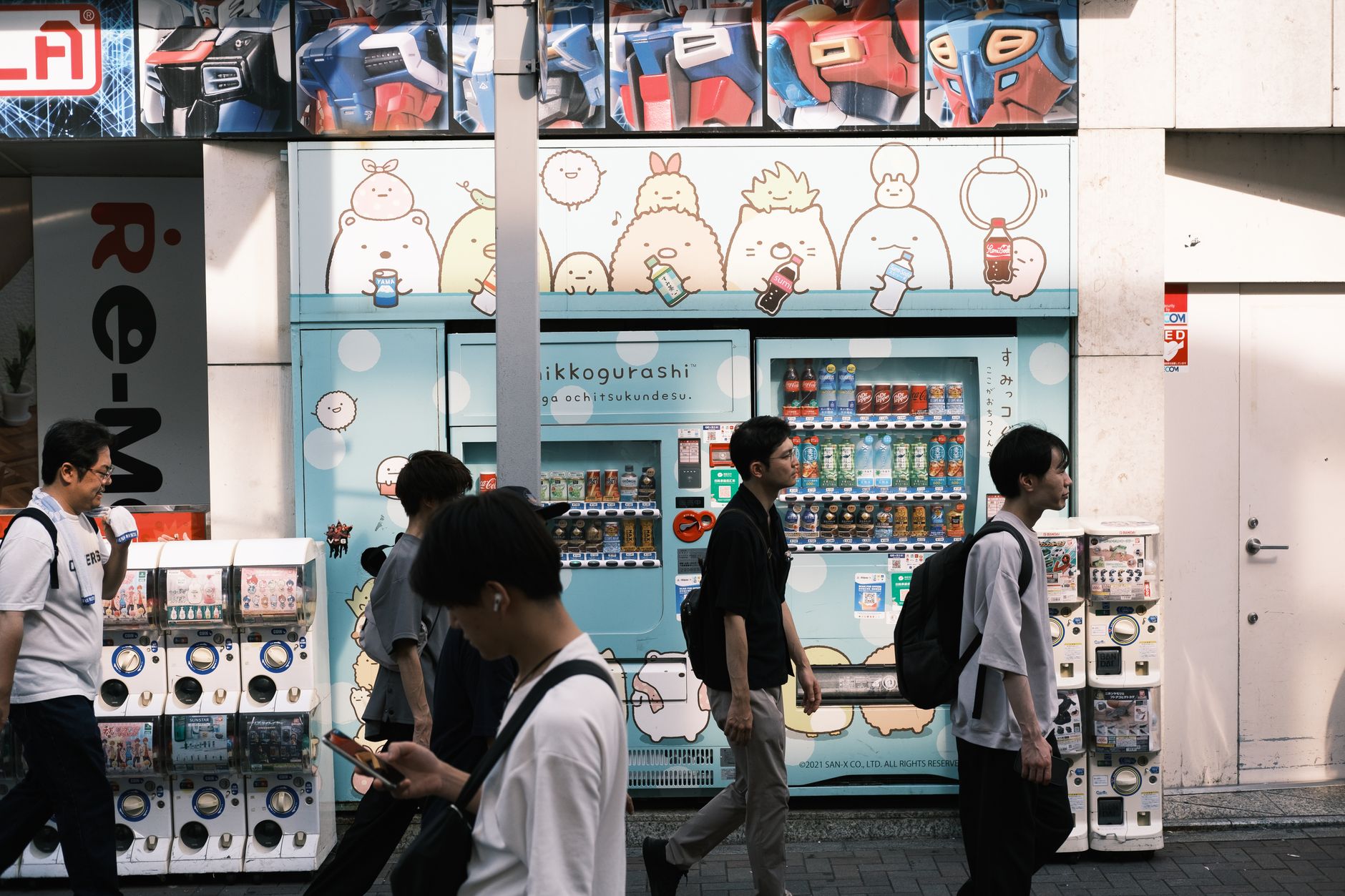
Japanese pop culture is a vibrant tapestry woven from various elements such as music, anime, fashion, and technology. Its influence has transcended borders, captivating audiences worldwide. From the introduction of J-Pop in the 1990s to the global phenomenon of anime, understanding the nuances of this cultural explosion reveals a complex interplay of tradition and modernity.
This article delves into key trends that have shaped Japanese pop culture, exploring how they connect with the identities of younger generations both in Japan and abroad.
The Rise of J-Pop and Its Global Influence
J-Pop, or Japanese pop music, emerged in the late 20th century and gained significant traction in the 1990s with artists like Hikaru Utada and Namie Amuro. The genre seamlessly blends Western styles with traditional Japanese elements, creating a unique sound that resonates globally. A notable example is the song “First Love” by Hikaru Utada, which has sold millions of copies and remains iconic.
The globalization of J-Pop is evident through collaborations with international artists and its inclusion in global music charts. For instance, the collaboration between J-Pop star Kenshi Yonezu and the well-known American artist Suga from BTS highlights how cultural boundaries have become increasingly blurred.
The Impact of Anime and Manga
Anime and manga are perhaps the most recognizable facets of Japanese pop culture. With an estimated market value of over $23 billion in 2020, anime has become a cultural export that influences storytelling and animation styles worldwide. Shows like “Attack on Titan” and “My Hero Academia” have garnered immense popularity, leading to international fandoms that engage in cosplay, fan art, and conventions.
Furthermore, the adaptation of manga into anime series often leads to significant economic impacts, as seen with the series “Demon Slayer: Kimetsu no Yaiba,” which generated over $400 million in box office revenue for its film adaptation. This success underscores the potent connection between the two mediums.
The Fashion Phenomenon: Harajuku and Street Style
Harajuku, a district in Tokyo, is synonymous with unique street fashion that defies conventions. This cultural hotspot has given rise to various fashion subcultures, such as Lolita, Gyaru, and Visual Kei. Each style reflects different aspects of Japanese society and allows individuals to express their identities creatively. The Lolita style, for example, is characterized by Victorian-inspired attire and emphasizes modesty while still being fashionable.
Internationally, Harajuku fashion has inspired global designers and trends, influencing fashion capitals like Paris and New York. The eclectic styles seen in Harajuku serve as a powerful reminder of how traditional Japanese aesthetics can blend with modern fashion sensibilities.
Technology and Gaming: A New Frontier
Japan is at the forefront of technological innovation, particularly in gaming. With companies like Nintendo and Sony leading the charge, the gaming industry has become a crucial component of Japanese pop culture. The global gaming market is projected to reach $200 billion by 2023, with Japanese games like “Final Fantasy” and “Pokémon” playing pivotal roles in this growth.
Esports has also gained traction in Japan, with tournaments drawing large audiences and contributing to the cultural significance of gaming. The rise of virtual reality and augmented reality in gaming further exemplifies Japan’s commitment to blending technology with entertainment, pushing boundaries and creating immersive experiences.
Leave a Reply