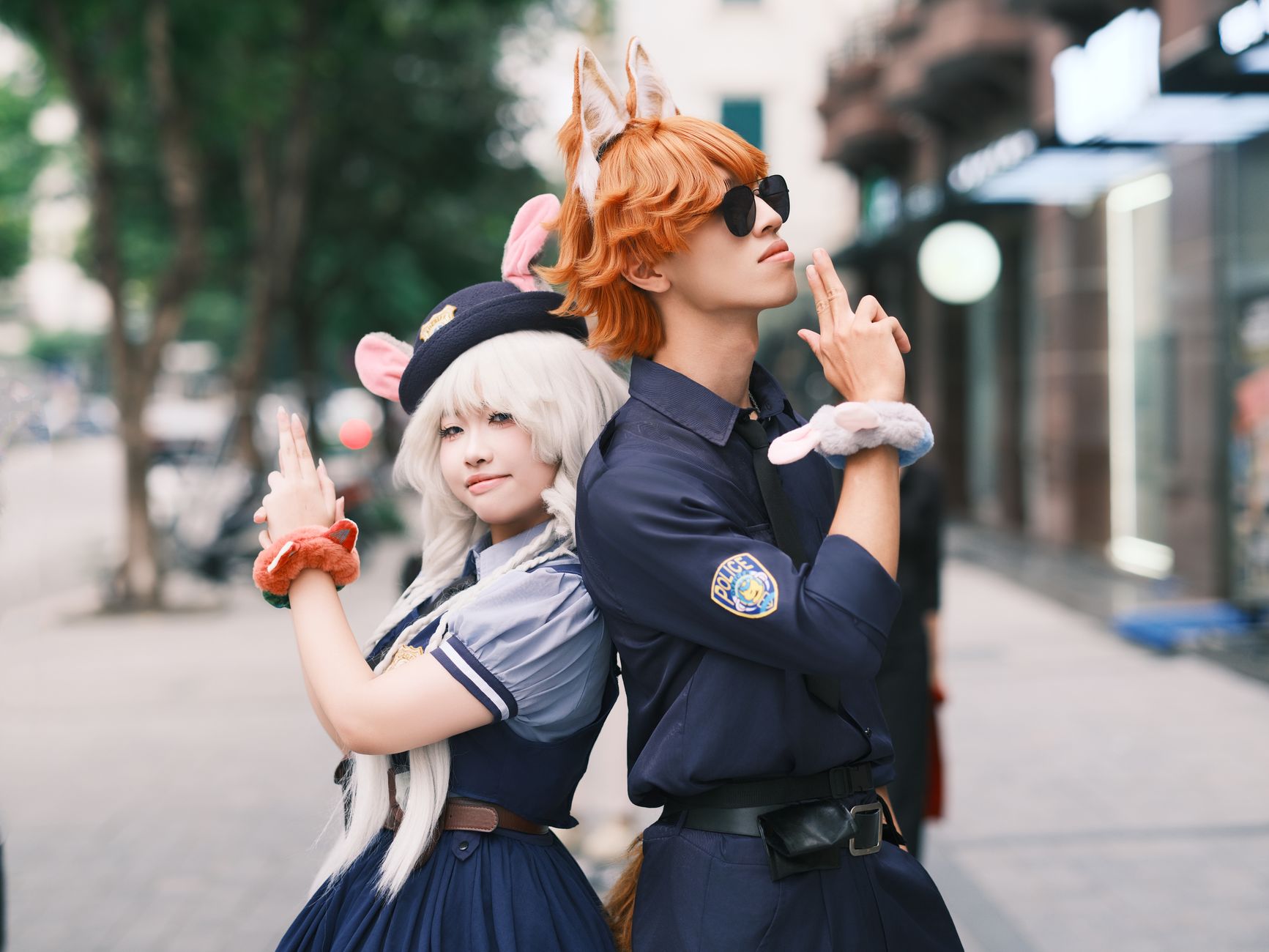
Cosplay culture has evolved significantly over the years, transforming from a niche hobby into a global phenomenon. Originating in Japan, this unique blend of performance art and fandom allows enthusiasts to embody their favorite characters from anime, movies, video games, and comics. As the community grows, the creativity displayed in costumes, performances, and conventions reveals deeper social connections and cultural exchanges.
Understanding the nuances of cosplay culture requires a closer look at its origins and current trends. Cosplay is not just about wearing costumes; it is a celebration of craftsmanship, imagination, and community engagement.
Historical Context of Cosplay
The term ‘cosplay’ first appeared in Japan in the 1980s, with early enthusiasts dressing as characters from popular manga and anime. However, the roots of cosplay can be traced back to science fiction conventions in the 1930s, where fans began to dress as their favorite characters. Over the decades, cosplay has expanded beyond its Japanese origins, with significant representation in Western pop culture as seen in Comic-Con events.
The Craft of Cosplay: Skill and Dedication
At its core, cosplay is a testament to creativity and hard work. Crafting a costume often involves sewing, sculpting, and painting, requiring both artistic talent and technical skills. Many cosplayers invest considerable time researching materials and techniques to achieve accuracy in their costumes. For example, the use of thermoplastics like Worbla for armor-building has become popular due to its versatility and ease of use.
Moreover, the attention to detail in character portrayal, including wigs, makeup, and props, enhances the authenticity of the overall presentation. This level of dedication not only showcases the cosplayer’s abilities but also pays homage to the source material.
Community and Connection
Cosplay serves as a bridge connecting people from diverse backgrounds. Conventions provide a platform for fans to meet, share ideas, and collaborate on projects. Online communities, such as those found on social media platforms like Instagram and TikTok, further amplify this connection by allowing cosplayers to showcase their work and receive feedback from peers around the world.
This communal aspect fosters a sense of belonging. Many individuals find empowerment in expressing themselves through cosplay, allowing them to explore their identities and connect with like-minded individuals. As a result, cosplay culture has become a space for acceptance and celebration of individuality.
Cosplay and Cultural Exchange
While predominantly linked to anime and gaming, cosplay has expanded to include a wide array of source materials, leading to a rich tapestry of cultural exchange. International conventions often feature panels discussing the significance of representation and diversity within the media. Cosplayers draw inspiration from various cultures, which sometimes leads to discussions about appropriation versus appreciation.
Understanding these dynamics is crucial as the cosplay community navigates its growth. The evolution of cosplay culture reflects broader societal trends and values, emphasizing the importance of respectful representation.
The Future of Cosplay Culture
The future of cosplay appears bright, with increasing visibility and acceptance in mainstream media. Collaborations with brands and the rise of television shows like ‘Cosplay Melee’ have further legitimized cosplay as an art form. As technology advances, tools like 3D printing and augmented reality will likely revolutionize costume-making, allowing for even more creative expression.
In conclusion, cosplay culture is a multifaceted phenomenon encompassing creativity, community, and cultural exchange. As it continues to evolve, its impact on both individual participants and the broader cultural landscape becomes increasingly significant.
Leave a Reply