Webtoons have become a cultural phenomenon, captivating audiences worldwide with their unique storytelling and engaging visual styles. Originating from South Korea, this digital comics format has transformed the way stories are told and consumed, blending traditional comic artistry with modern technology. As more creators and platforms emerge, understanding the intricacies of webtoon culture becomes essential for both fans and aspiring artists.
At its core, webtoon culture reflects the intersection of technology and creativity, fostering a vibrant community that encourages both creators and readers to engage in new ways. With millions of readers, this format has not only changed the comic landscape but also influenced various aspects of entertainment.
The Rise of Webtoon Platforms
The digital platform model for webtoons allows for direct access to content, with sites like LINE Webtoon, Tapas, and Lezhin Comics leading the way. These platforms enable creators to publish their work without the gatekeeping often present in traditional publishing. For example, LINE Webtoon reported that its platform had over 72 million monthly users by 2021, showcasing the massive audience eager to explore diverse stories from both established and emerging artists.
Understanding the Unique Art Style
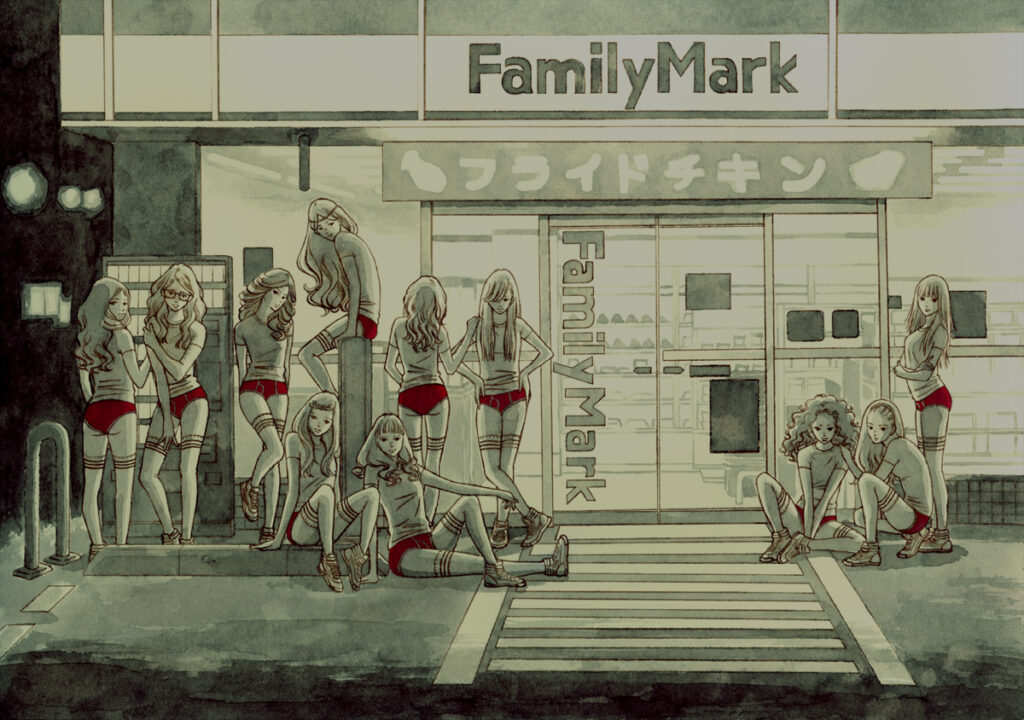
The art style of webtoons sets them apart from traditional comics. The vertical scroll format allows for dynamic pacing and visual storytelling, enhancing the reader’s experience. Creators often utilize vibrant colors and expressive character designs, which cater to a mobile audience. For instance, the webtoon “Lore Olympus” features a modern retelling of the myth of Hades and Persephone, with a distinct art style that elevates its thematic depth. This attention to visual presentation plays a crucial role in attracting and retaining readers.
Diverse Genres and Themes
Webtoons cover a vast array of genres including romance, fantasy, horror, and slice-of-life. This diversity reflects a broader trend in content consumption, where audiences seek out stories that resonate with their personal experiences. Titles like “True Beauty” explore themes of beauty standards and self-acceptance, while “I Love Yoo” delves into complex relationships. Such narratives not only entertain but also provoke thought regarding societal issues.
Fan Engagement and Community Building
Webtoon culture thrives on interaction between creators and fans. Many webtoon platforms incorporate comment sections, allowing readers to provide feedback and engage in discussions. This fosters a sense of community, where readers feel invested in the growth of their favorite series. Additionally, fan art and fan fiction contribute to a shared culture, creating a deeper connection between the audience and the creators.
The Future of Webtoons
As technology continues to evolve, so will the webtoon format. Innovations like augmented reality and interactive storytelling are beginning to emerge, promising to enhance reader engagement even further. Moreover, the integration of webtoons into other media, such as television adaptations and animated series, signals a growing recognition of this art form. For example, the success of the drama adaptation of “Itaewon Class” is a testament to the potential of webtoons to reach wider audiences.
Conclusion
Webtoon culture represents a dynamic blend of creativity, technology, and community, shaping the narrative landscape of the digital age. As more creators embrace this format, understanding its nuances will be crucial for anyone looking to delve into the world of webtoons, whether as a reader, creator, or industry professional.
Leave a Reply