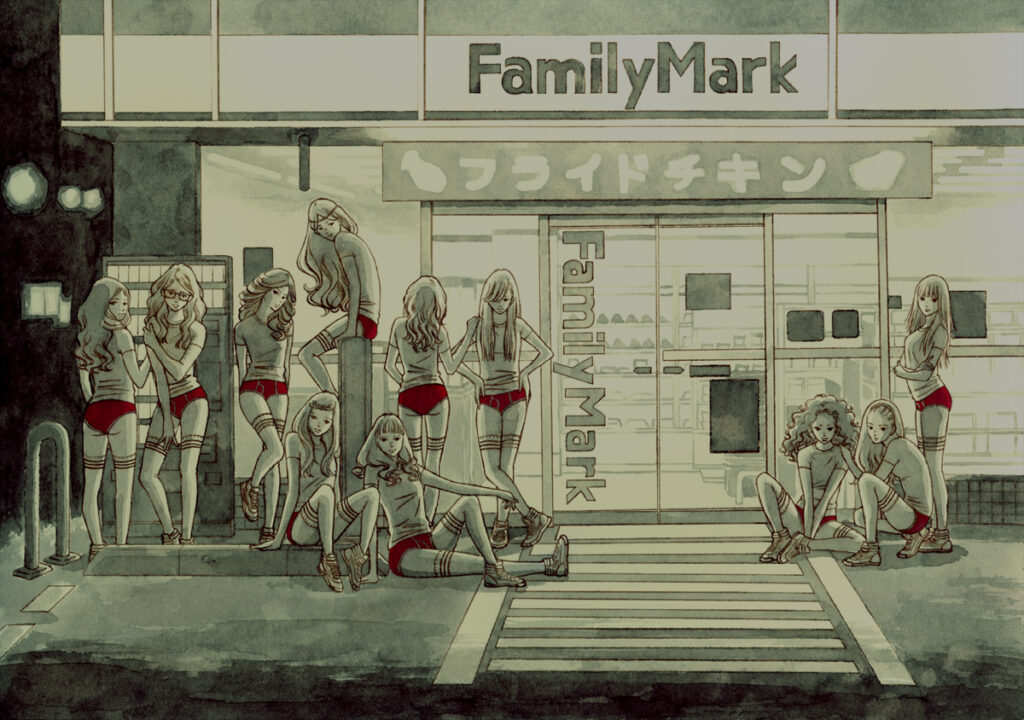
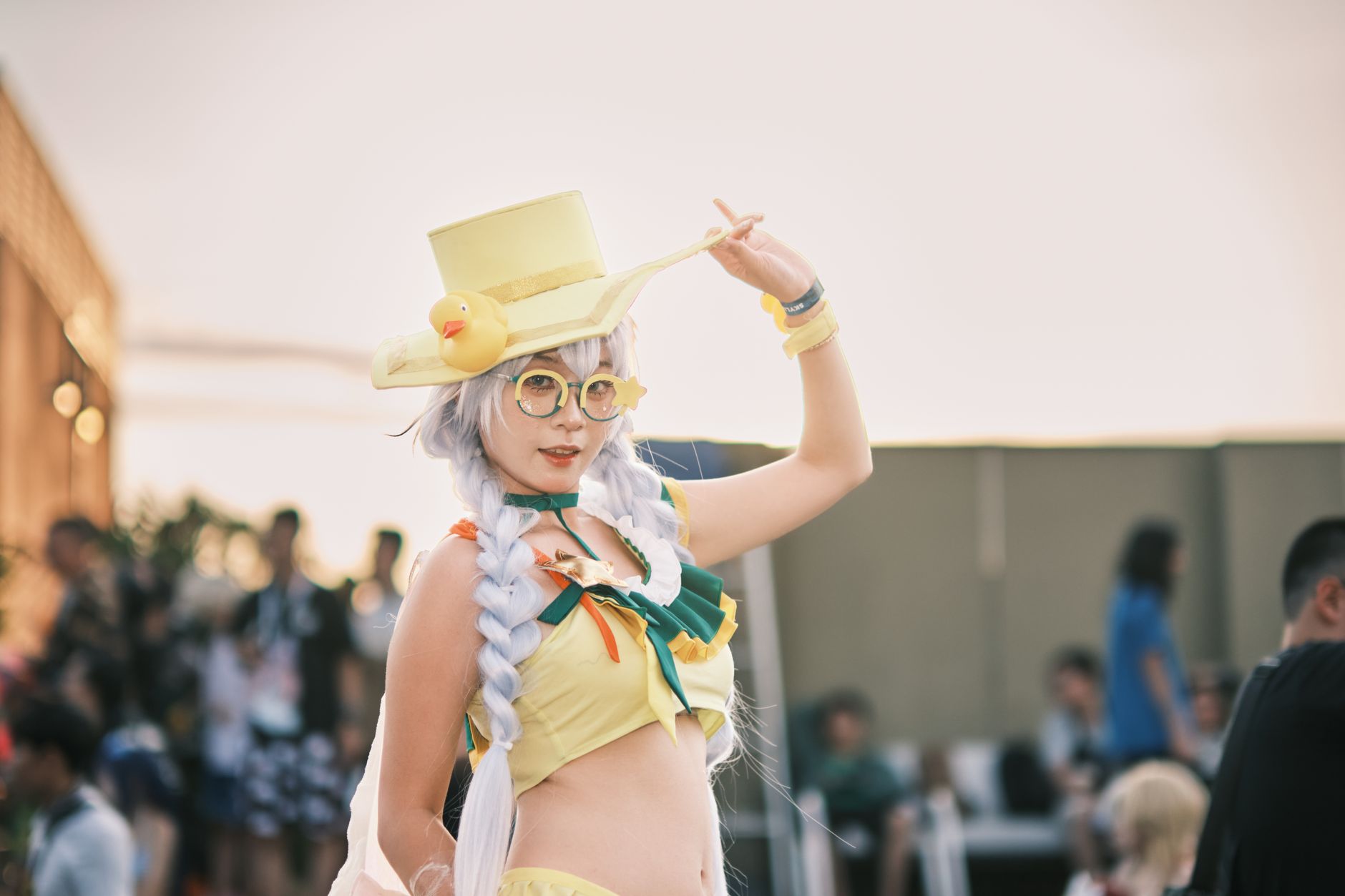
Cosplay culture has evolved into a dynamic and multifaceted community, blending art, performance, and fandom into an expressive form of self-identity. From its humble beginnings rooted in science fiction conventions, cosplay has expanded globally, attracting diverse participants who showcase their creativity through costumes and character portrayals. This article delves into the various aspects of cosplay culture, offering insights into its significance, trends, and the impact it has on both individuals and communities.
At its core, cosplay involves dressing up as a character from movies, TV shows, video games, or anime, but it transcends mere costume wearing. It serves as a platform for personal expression, allowing individuals to embody their favorite characters and connect with like-minded fans. The sense of community is a crucial aspect of cosplay culture, with conventions such as Comic-Con and Anime Expo providing spaces for enthusiasts to gather, share their passion, and celebrate creativity.
The Craft of Costume Making
Costume making is a significant dimension of cosplay that deserves attention. Many cosplayers invest countless hours in designing and crafting intricate outfits, often employing a range of materials, from fabric to foam and 3D printing. For instance, creating a detailed armor set from a video game might require expertise in various techniques such as sewing, sculpting, and even electronics for added effects. This level of craftsmanship not only showcases artistic talent but also fosters a spirit of innovation within the community.
Community and Collaboration
Collaboration among cosplayers is another fascinating aspect of this culture. Many enthusiasts work together on group cosplays, bringing entire ensembles to life from a single series or theme. These collaborations can lead to friendships and a sense of belonging, as participants share their skills and knowledge. Online platforms, like Instagram and TikTok, further enhance this sense of community, allowing individuals to share their progress, tutorials, and finished looks with a global audience.
Cosplay as a Form of Empowerment
Cosplay also serves as a form of empowerment for many individuals. It provides an avenue for self-exploration and acceptance, particularly for those who may feel marginalized in their everyday lives. For example, cosplaying can help individuals express their gender identity or challenge societal norms, allowing them to step into roles that resonate with their true selves. Events and competitions often celebrate this diversity, highlighting stories of transformation and resilience.
Trends and the Future of Cosplay
As the landscape of popular media continues to evolve, so too does cosplay culture. New trends emerge regularly, influenced by popular TV shows, movies, and video games. For instance, the resurgence of classic characters from the 1980s and 1990s has sparked nostalgia-driven cosplays, while the rise of streaming platforms has introduced an influx of characters from contemporary series. The future of cosplay is likely to see even greater inclusivity, with a focus on diverse characters and narratives that resonate with a broader audience.
In conclusion, cosplay culture is not merely a hobby; it is a vibrant community that fosters creativity, connection, and empowerment. From the intricacies of costume making to the collaborative spirit that binds participants together, cosplay continues to thrive and adapt, reflecting the ever-changing landscape of fandom and creative expression.
Leave a Reply