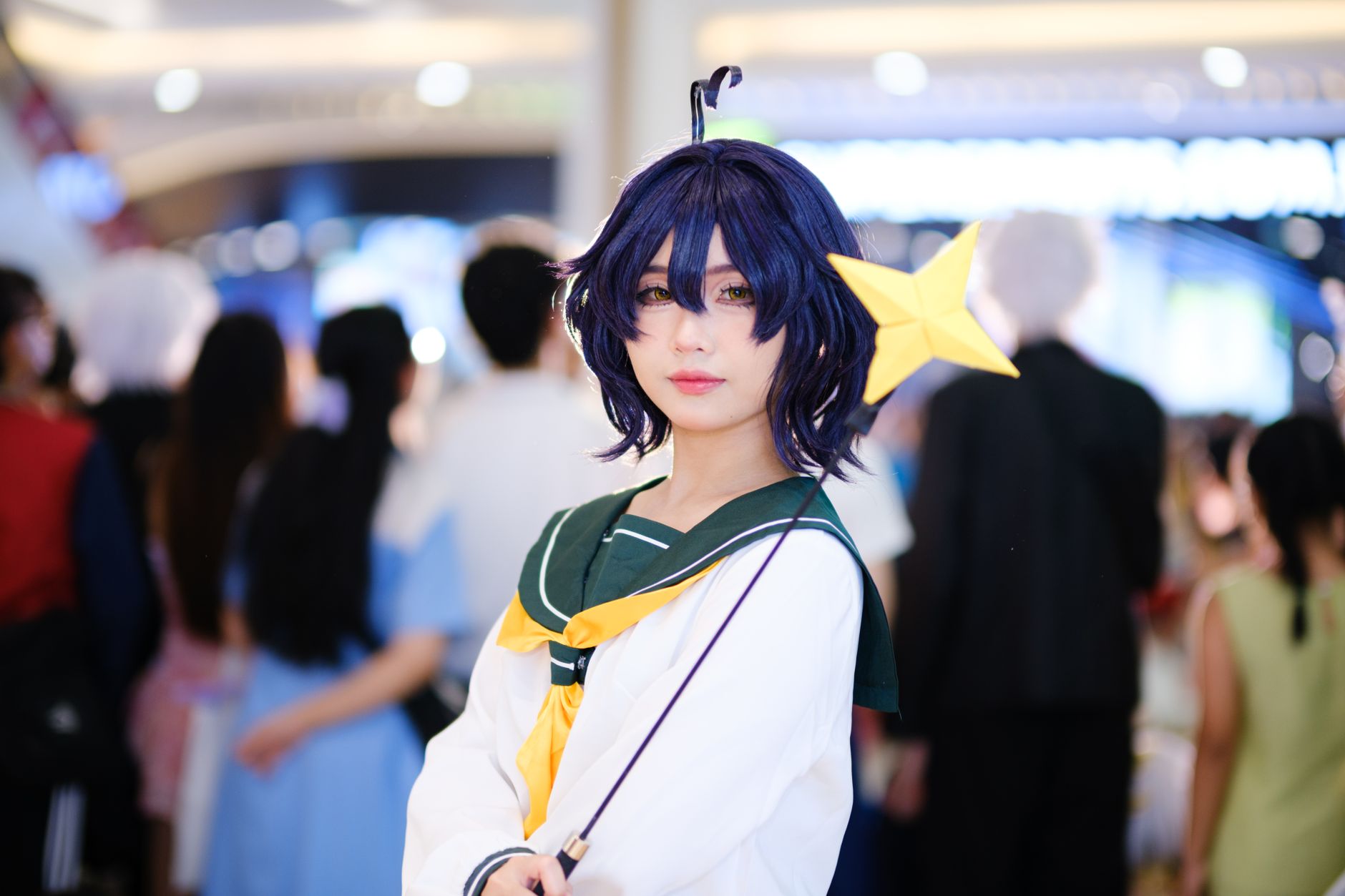
Cosplay culture has evolved dramatically over the years, becoming a significant aspect of fan communities worldwide. What began as a niche interest among enthusiasts has transformed into a vibrant cultural phenomenon, influencing various aspects of entertainment, fashion, and social interactions. The creativity, dedication, and craftsmanship displayed by cosplayers have made this culture not only a form of self-expression but also a way to foster community bonds.
As individuals dress up as their favorite characters from anime, video games, movies, and comic books, they embody the spirit of these characters in a way that resonates deeply with fellow fans. This communal aspect of cosplay fosters a sense of belonging and encourages collaboration and friendship among participants.
The Origins of Cosplay
The term “cosplay” is derived from the combination of the words “costume” and “play,” a concept that emerged in the late 20th century. Early conventions like San Diego Comic-Con, which began in 1970, played a crucial role in popularizing cosplay. The first official documentation of the term was in 1984 when Nobuyuki Takahashi attended the World Science Fiction Convention in Los Angeles and used the term to describe fans dressed as characters.
The Role of Social Media in Cosplay
Today, social media platforms such as Instagram, TikTok, and Twitter have become essential tools for cosplayers. These platforms allow individuals to showcase their costumes, share tutorials, and connect with other fans from all over the globe. A study published in the Journal of Computer-Mediated Communication reported that online interactions can lead to real-life friendships, illustrating how cosplay can transcend geographical barriers.
Craftsmanship and Skill Development
Creating a cosplay costume often involves an array of skills, including sewing, prop-making, and makeup artistry. Many cosplayers spend countless hours perfecting their outfits, which can sometimes take several months to complete. This pursuit of perfection not only enhances their creative skills but also promotes a sense of achievement. For instance, the craftsmanship award at conventions encourages cosplayers to push their boundaries and innovate, showcasing techniques like 3D printing and LED integration.
Challenges and Misconceptions
Despite its popularity, cosplay is not without its challenges. Some misconceptions persist, such as the idea that cosplay is solely for children or that it is merely a form of escapism. In reality, cosplay serves as an outlet for creativity and a form of serious art for many participants. Additionally, the pressure to meet certain standards can lead to negative experiences, highlighting the importance of fostering inclusive and supportive environments within the community.
The Future of Cosplay Culture
As cosplay continues to evolve, its impact on the broader culture cannot be ignored. With the rise of virtual conventions and online competitions, the global reach of cosplay is set to expand even further. The ongoing crossover between mainstream media and gaming, along with the emergence of new technologies, will likely shape how cosplayers express themselves in the years to come. As cosplay culture continues to thrive, it will undoubtedly continue to create lasting connections among fans and promote a deeper appreciation for the characters we love.
Leave a Reply